View as

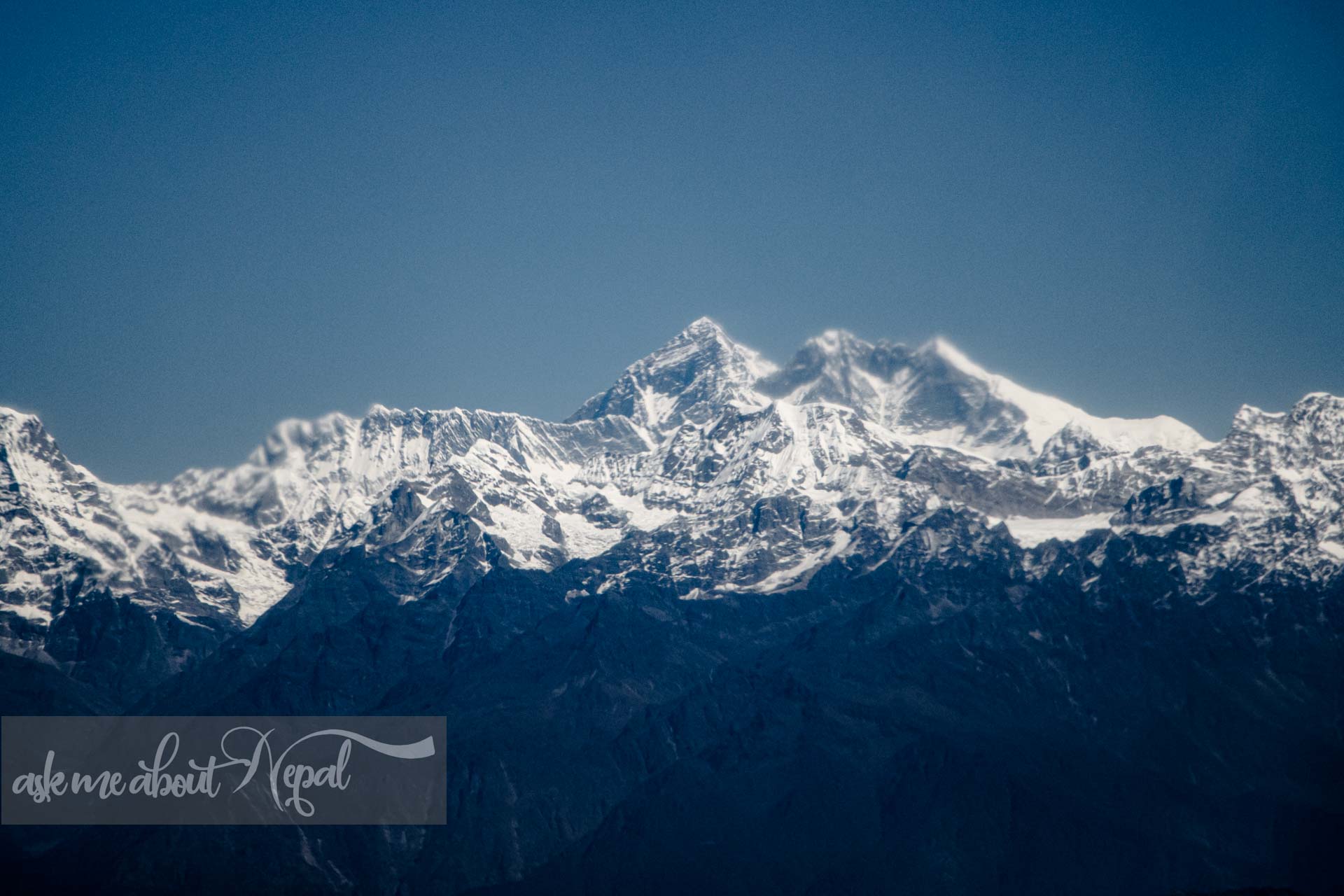
The Broad Peak Avalanche, by itself, would not have been particularly newsworthy, but the fact that celebrated mountaineer Nims-dai—Nirmal Purja—was among the ten climbers listed as missing.
Aug 9, 2026
An avalanche on Pakistan’s Broad Peak has claimed the lives of ten climbers, including renowned Nepali mountaineer Nirmal “Nimsdai” Purja and five other Nepali climbers. As recovery efforts continue, Nepal mourns the loss of its mountaineering heroes while remembering their remarkable achievements and lasting contributions to the world of high-altitude climbing.
Aug 3, 2026
Nepal's bridges tell the story of the country's development from rope crossings and hand-built timber structures to a nationwide network of over 8,000 trail bridges. This piece traces that history: the first bridge at Thapathali in 1810, the Aberdeen-built suspension bridges of the early 1900s, the shift to community-led construction after 1990, and the milestone of the 10,000th trail bridge in 2023. It also looks at what's unfinished: the tuins still in use across remote districts, and the floods and failures that keep testing the network's durability.
Jul 30, 2026
Nepal contributes less than 0.1% of global greenhouse gas emissions, yet it remains highly vulnerable to the impacts of climate change. From retreating Himalayan glaciers and unpredictable monsoons to floods, landslides, and threats to agriculture and hydropower, climate change is already reshaping lives and landscapes across the country. This article explores why Nepal is particularly vulnerable, examining the role of its geography, fragile mountain ecosystems, and dependence on climate-sensitive resources. It also introduces the concept of climate justice, highlighting the unequal distribution of responsibility and risk in the global climate crisis and why Nepal's experience raises important questions about who contributes to climate change and who bears its greatest consequences.
Jul 23, 2026
Nepal has made significant progress in protecting the rights of marginalized communities through its 2015 Constitution. However, legal recognition does not always translate into equal experiences in everyday life. Using the Dalit, Chepang, and LGBTQI+ communities as case studies, this paper explores the gap between constitutional rights and lived reality. It argues that while laws are essential, achieving genuine inclusion also requires effective implementation, social acceptance, and long-term change in attitudes.
Jul 21, 2026
The Pheri lagaune tradition is fast disappearing in Nepal as urbanisation spreads and old customs are increasingly neglected, even disdained, by the younger generation.
Jul 9, 2026
At least 40 animals have died at Nepal’s Central Zoo since a bird flu outbreak began in mid-June, most of them raptors and carnivores including a common leopard, though the zoo has refused to officially confirm the toll.
Jul 5, 2026
Before Kathmandu expanded into the dense urban landscape we know today, it was once rich in exactly these kinds of natural systems. The flood damage during the monsoon and water scarcity in the dry months both these problems should not be viewed as separate issues. Groundwater depletion and urban flooding are two symptoms of the same urban planning decisions.
Jul 2, 2026
This article goes through five women whose lives illustrate five distinct models of leadership: Yogmaya Neupane's early social resistance in the Rana era, Anuradha Koirala's humanitarian institution-building through Maiti Nepal, Bidya Devi Bhandari's entry into formal political power as Nepal's first female President, Radha Paudel's grassroots campaign for menstrual dignity rooted in lived experience, and Pushpa Basnet's child welfare work on behalf of children living in Nepal's prisons.
Jun 25, 2026
The casual visitor can easily visit all four institutions in one day on foot, starting from Jagdol and going to Pullahari Monastery, perhaps for the daily morning puja at 7 am; then, after following the walking trail on the other side of the ridge, the Amitabha Foundation and Retreat Centre; and finally, situated close together, the Shyalpa and Kopan Monasteries. Taxis can be used to access the beginning and end points, and refreshments are available at Pullahari, both inside and nearby Kopan Monastery.
Jul 19, 2026
The Government of Nepal has announced a budget of Rs. 2.124 trillion for the fiscal year 2083/84, outlining its vision for economic growth, infrastructure development, technological advancement, and improved public services.
Jun 18, 2026
The driving forces of youth migration depend on a family's financial standing. Understanding it requires looking honestly at who is leaving, why, what they find when they get there, what they leave behind, and increasingly what happens when they try to come back.
Jun 4, 2026
Ihi, or Bel Bibaha, a traditional Newar coming-of-age ceremony in which pre-adolescent girls symbolically marry the bel fruit (Aegle marmelos). The practice remains one of the most distinctive rites of passage within Newar society.
Jul 26, 2026
The Sukumbasi crisis did not start in April 2026, and it will not be solved just by giving cash support. Since the 1990s, Nepal has created many commissions to address landlessness, but little has changed. All major political parties have promised land and resettlement to squatters during elections, but these promises were mostly ignored once they came into power.
May 21, 2026
A Sukumbasi is not defined by the occupation of land but rather by the absence of one. Therefore, calling someone a Sukumbasi might make it sound like a category, but it is, in fact, a consequence of neglect of history and policy.
May 6, 2026
Rajis are experts in fishing, boating, hunting, collecting honey, and edible plants. It is evident from the study that the endangered Raji ethnic tribe of Nepal have their own practices for living.
May 24, 2026
Raji tribe, known as Phan in Raji language, is one of the endangered indigenous ethnic groups of Nepal. Some scholars have mentioned them as Ban Manis, Ban Rawat, Ban Raja, Raji, and Raute.
May 17, 2026
Apr 19, 2026
The asset details of Prime Minister Balendra Shah and his cabinet ministers were made public by the Office of the Prime Minister and Council of Ministers.
Apr 15, 2026
The Tharus are of Nepalese origin. They originated in Nepal and around Kapilvastu and are today to be found all over Nepal Tarai and many bordering districts of India, ranging from the border of Uttar Pradesh to the border of Bengal.
May 3, 2026
14 ministers in Balendra Shah Cabinet has been finalized. Here are their profile.
Mar 27, 2026
Balendra Shah, a structural engineer, rapper, and former Mayor of Kathmandu, was sworn in as Nepal's Prime Minister on March 27, 2026, becoming the country's youngest and first Madheshi-origin PM at 35. Rising from Kathmandu's underground hip-hop scene to national politics, he won the 2022 mayoral race as an independent before joining the Rastriya Swatantra Party and leading it to a landslide 182-seat victory in the 2026 snap elections triggered by mass Gen Z protests that toppled the previous government. His record is mixed: praised for urban reforms and transparency initiatives as mayor, but criticised for heavy-handed enforcement and controversial public statements. He now faces the far greater challenge of delivering on sweeping economic and social promises at the national level.
Mar 27, 2026
Sushila Karki never sought power but when Nepal needed someone it could trust, her name rose above the noise. A woman who spent decades saying no to the powerful, refusing favours, standing firm when others bent, she became Nepal's first ever woman Prime Minister not through ambition but through a lifetime of integrity. When critics called her incompetent and swore the election would never happen, she didn't argue, she delivered. For an entire generation searching for proof that honesty in leadership is still possible, Karki is that proof.
Mar 25, 2026
The first parliamentary election in Nepal was held on Falgun 7, 2015 BS (February 18, 1959 AD). It featured 109 constituencies and over 700 candidates competing in direct elections. Only citizens aged 21 and above were eligible to vote in this historic election.
Mar 22, 2026
Oct 13, 2022
Jul 18, 2023
Sep 20, 2023
Jun 2, 2022


Ask Me About Nepal (AMAN) is your go-to digital platform for authentic, well-researched insights into Nepal’s people, places, culture, and hidden gems. From adventure to history, food to folklore—explore Nepal like never before!


Help us document the beauty and stories of Nepal. Your donation powers AMAN's journey.

Get captivating travel stories, hidden gems, and cultural insights from Nepal delivered to your inbox every month!
Want to Become a Contributor? Click Here
© 2025 Ask Me About Nepal. All Rights Reserved.