April 19, 2026

Nepal is the land of an array of festivities, and this is not an understatement. A country of days and deities; various religious days and religious deities are the life and blood of the Nepali people. Not a single month passes without the observance of a festivity of one sort or another, nor is there a single locality without the site or route of a religious deity. It is estimated that 90 % of the festivals in Nepal have a religious origin. Thus, the festivals often begin with religious ceremonies, build with a spontaneous social spirit, and end with friendly feasts and fun. This has been the Nepalese way of celebrating since time immemorial.
It is worth noting that the same day/festival is sometimes celebrated by various cultural groups in different socio-cultural contexts, each calling it by a different name.
Here is a comprehensive list of festivals celebrated either nationally or in specific regions of the country by ethno-religious groups.
Note: Almost all of the Nepalese festivals follow the lunar calendar; the dates of most of the festivals vary every year.
Here is the Festival Calendar for the Year 2083 BS. (2026/27 AD)
Festival | When | Where | Why | Public Holiday |
| Baisakh 1, 14 April | Nationwide | First day of the New Year 2082 BS | Yes |
| Mother's Day (Mata tirtha aaunsi/ Aama ko mukh herney din) |
Baisakh 4,
17 April | Nationwide | Children pay homage to their mother, and if she’s passed on, a prayer to her spirit is made at Matatirtha Pond on the outskirts of Kathmandu, or at the Pashupatinath Temple. | No |
| Parshuram Jayanti | Baisakh 6,
19 April | Nationwide | Marks the birth anniversary of Lord Parshuram, the sixth incarnation of Lord Vishnu. | Yes (Sunday) |
| Loktantra Diwas | Baisakh 11, 24 April | Nationwide | Commemorating the end of the monarchy and the establishment of a democratic republic. | No |
| Labour Day | Baisakh 18, 1 May | Nationwide | Marks the International Labour Day. It also marks the starting of Rato Machendranath Jatra. | Yes |
| Buddha Jayanti | Baisakh 18, 1 May | Nationwide | Birth, Enlightenment & Demise day of Shakyamuni Buddha. | Yes |
| Ubhauli Parba | Baisakh 18, 1 May | Kirati community | It is a celebration of gratitude to nature for a good harvest and the beginning of the summer season. | Yes |
| Ganatantra Diwas | Jestha 15, 29 May | Nationwide | Commemorates the declaration of Nepal as a republic and the end of the 240-year reign of the Shah kings. | Yes |
| Asadh 15, 29 June | Nationwide | Celebrated by eating yoghurt and bitten rice,the have which supposedly cures skin disease. This day is also officially marked as rice planting day. However, rice planting depends upon the arrival of the monsoon. | No |
| Bhanu Jayanti | Asadh 29, 13 July | Nationwide | Celebrated to commemorate the birth anniversary of the first poet of Nepal, Adikabi Bhanu Bhakta Acharya. | No |
| Tharu Guria Parba/ Shrawan Sankrati | Shrawan 1, 17 July | Tharu community | The Guria Parba is a traditional Tharu festival symbolizing protection from diseases and respect for nature. It highlights community unity, agricultural traditions, and the strong bond of love and care between brothers and sisters. | No |
| Gatha Muga Chahare | Shrawan 1, 17 July | Newar Community | Throughout the city, reed effigies, bound together by straw ropes, are erected at various intersections and These effigies, known as Gathaamuga Khyaa, or simply "Ghantakarna" | No |
Hari Sayani Ekadashi/ Tulsi ropne din
| Shrawan 9, 25 July
| Nationwide | On Harishayani Ekadashi, Hindus plant and worship Tulasi as a form of Lord Vishnu. The worship continues for four months until Haribodhini Ekadashi, marking the end of Chaturmas. | Yes (Saturday) |
| Guru Purnima | Shrawan 13, 29 July | Nationwide | Celebrated to pay respect and gratitude to the teachers and spiritual guide | No |
| Kheer Khaney din | Shrawan 15 31 July | Nationwide | It is typically observed during the month of shrawan when the rice harvest is complete, and families have an abundance of fresh grains. | No |
| Baraha Jayanti | Shrawan 30, 15 August | Nationwide | Baraha Jayanti is celebrated to honor the incarnation of Lord Vishnu as Baraha (the wild boar). It marks the event when he saved the Earth from the demon Hiranyaksha during the Satya Yuga.
| Yes (Saturday) |
| Naag Panchami | Bhadra 1, 17 August | Nationwide | Hindus worship Naag (serpents) whose burrows are unlivable due to overflow of water during monsoon, with a request not to enter their house or harm their family members. | No |
| Janai Purnima/Rakchya Bandhan/Quati khaney din | Bhadra 12, 28 august | Nationwide | People tie a sacred thread on the wrist for protection, those wearing Janai will change them on this day. It’s also an auspicious day for Shamans of hilly Nepal, plus a day to celebrate siblinghood, sisters tie a rakhi bracelet on brothers’ wrist. | Yes |
| Gai Jatra | Bhadra 13, 29 august | Kathmandu Valley | It is celebrated mainly in the Kathmandu Valley by the Newar people.The festival is celebrated in honour of their immediate relatives who have died during the previous year. Various groups of children dressed up as cows and in other religious drags are organized throughout various cities. | Yes (Saturday) |
| Krishna Janmasthami/Gaura Parba | Bhadra 19,
September 4 | Nationwide | Major festival marking the birth of lord Krishna. | Yes |
| Kushe Aunshi/ Buwa ko Mukh Herne Din (Father’s Day) | Bhadra 26, September 11 | Nationwide | Children pay homage to their father and if he’s passed on, a prayer to his spirit is made at Gokarna or at the Pashupatinath Temple. | No |
| Dar Khane Din | Bhadra 28, September 13 | Nationwide | Dar khane din is the first day of Hartalika Teej where women enjoy good food and a good time. On this day, women who are to fast on the day of Teej eat a heavy, healthy food to have the energy to fast. | Yes (Sunday) |
| Haritalika Teej | Bhadra 29, September 14 | Nationwide | Married women fast pray for the long life & good health of one’s husband, whereas unmarried women fast in hopes of getting a suitable match like Lord Shiva. | Yes (Women only) |
| Ganesh Chaturthi | Bhadra 29, September 14 | Nationwide | The birth anniversary of the Elephant-Headed Lord, Ganesh | No |
| Rishi Panchami | Bhadra 30, September 15 | Nationwide | Women and also girls who had their menses make a special bath in the mornings and worship the Sapta Rishi (7 Holy Sages) and their wife Arundhati, asking forgiveness for the sins they have committed during the 4 days of the monthly cycle. | No |
| Bishwakarma Puja | Asoj 1, 17 September | Nationwide | The birthday of Bishwakarma, the Divine Architect in Hindu Mythology. | No |
| Sambidhan Diwas (Constitution Day) | Asoj 3, 19 September | Nationwide | A day celebrated to commemorate the promulgation of the Constitution of Nepal 2072 BS (2015). | Yes (Saturday) |
| Indra Jatra | Asoj 9, 25 September | Kathmandu valley | The eight-day long Newari festival to worship Lord Indra and his mother Dagini concludes on this day. It is celebrated to ensure the upcoming harvest. | Yes, (Kathmandu only) |
Chepang Chhonaam Parba
| Asoj 10, 26 September | Chepang community | Chonam (Nwagi) is the major festival of the Chepang community in Nepal. It is an annual harvest celebration that expresses gratitude for new crops and brings people together through rituals and shared feasts. | Yes (Saturday) |
| Sorah Shraddha | Asojh 11, 27 September | Nationwide | This day marks the beginning of sixteen days of Ancestor worship right before Dashain. People perform rites to all the deceased as far back as seven generations. | Yes (Sunday) |
| Jitiya Parba (Jiwit Putrika) | Asojh 18, 4 October | Madhesi Mothers of Terai region | Mothers of Terai region (Southern Nepal) worship God Jitmahan Gosain and fast for 24 hours for the well-beinga of their living Children.
| Yes (Saturday) |
| Ghatasthapana | Asojh 25, 11 October | Nationwide | First day of Dashain Festival. On this day, people plant Jamara seeds that are reaped and given as blessings to junior family members along with tika on the Dashain day. This also marks the beginning of Nauratha or Navaratri, when nine different forms of Goddess Durga are worshipped every day. | Yes (Saturday) |
| Phulpati (Saptami) | Asojh 31, 17 October | Nationwide | Seventh day of Dashain. People bring in nine different types of Phulpati (flowers and leaves) home to include in the veneration of Saptami puja. | Yes (Saturday) |
| Maha Ashtami | Kartik 1, 18 October | Nationwide | Eighth day of Dashain. People worship tools and vehicles, sacrifice animals at home and at Goddess Durga temples.
| Yes (Sunday) |
| Maha Navami | Kartik 3, 20 October | Nationwide | Ninth day of Dashain People worship tools and vehicles, sacrifice animals at home and at Goddess Durga temples.
| Yes |
| Dashain/ Bada Dashain/ Vijaya Dashami | Kartik 4, 21 October | Nationwide | Tenth day and main day of Dashain It is a joyous day when families visit each other to receive Tika and Jamara blessings. They make merry by playing cards, singing, dancing, while hosting a big feast. Linge Ping (bamboo swing) is very famous in this season. It is believed that one has to mount a Linge ping (traditional bamboo swing) and forbid touching earth at least once on this day. | Yes |
Kojagrat Purnima/ Purnima Brata
| Kartik 8, 25 October | Nationwide | Fifteenth/ concluding day of Dashain. A day to worship Goddess Laxmi (goddess of wealth) and make vigil all night. | Yes (Sunday) |
| Dhanteras | Kartik 20, 6 November | Nationwide | To commemorate Tihar, the festival of lights, people on this day buy precious metals and worship it on the Laxmi puja day., | No |
| Kaag Tihar | Kartik 21, 7 November | Nationwide | The first day of Tihar, the festival of lights. This day involves the worship of crows as they are the messenger of the death-god Yama. | Yes |
Kukur tihar
| Kartik 22, 8 November
| Nationwide | In Nepalese culture, it is believed that dogs are the guardians of the afterlife, and honoring them on this day ensures safe passage for departed souls. So this day is celebrated to honor their loyalty | Yes (Sunday) |
| Laxmi Puja | Kartik 22, 8 November
| Nationwide | It’s the main day of Tihar when Laxmi, the goddess of wealth and fortune, is worshipped at night. Houses are cleaned and decorated in hopes that Laxmi will stop by and bless the family members. | Yes (Sunday) |
| Gai Puja | Kartik 23, 9 November | Nationwide | Cows are worshipped in the mornings to thank them for the food essentials they provide. | Yes |
| Gobardhan Puja/Mha puja | Kartik 24, 10 November | Nationwide | People worship the Ox for their contribution to farms throughout the year. This day also commemorates the day when Lord Krishna lifted the Govardhan hill on his pinky finger to save the Gopala (cow herders) people from torrential rain. Maha Puja, meaning “worship of the self,” is a Newari festival celebrated on this day, marking the Newari New Year. It honors the self through rituals, mandalas, and family gatherings to promote purity and prosperity. | Yes |
| Bhaitika | Kartik 25, 11 November | Nationwide | Last day of Tihar. It is celebrated to strengthen sibling ties. Sisters on this day perform special worship for brothers’ long and healthy life and also pray to Yama that no brother-sister are separated by death on this day. | Yes |
| Chhat Parba | Kartik 29, 15 November | Terai (Southern Nepal) | The biggest festival in Terai, Southern Nepal, involves the worship of the Sun-god and his sister Chhati Mai. | Yes (Sunday) |
| Haribodhini Ekadashi/Tulsi Bibah | Mangsir 4, 20 November | Nationwide | Haribodhini Ekadashi marks the awakening of Lord Vishnu after his long sleep since Harishyani Ekadashi. It is closely associated with the worship of the Tulsi (basil) plant. On this day, Tulsi is specially worshipped, and rituals like Tulsi Vivah symbolize devotion and prosperity. | No |
| Mangsir 8, 24 November | Sikhs | Celebrated to commemorate the birth anniversary of Guru Nanak, the first Sikh Guru. | Yes |
| World Disability Day | Mangsir 17, 3 December | Disabled Community | The International Day of Persons with Disabilities, marked on December 3, promotes inclusion, acceptance, and equal rights for people with disabilities. It raises awareness about accessibility and encourages a more inclusive society where everyone can participate and thrive. | Yes (only for people with disability) |
| Vivah Panchami | Mangsir 28, 14 December | Terai region | This festival commemorates the wedding of Lord Ram and Sita and is celebrated with high fervor, especially in Janakpurdham, Nepal, often involving traditional processions and rituals. | Yes, only in Janakpur for a week. |
| Udhauli parva | Poush 9, 24 December | Nationwide | Kirati clan celebrates Udhauli Parba to commemorate the setting in of winter. | Yes |
| Yomari Punhi | Poush 9, 24 December | Newari community | The Newar clan celebrates Yomari Punhi by making a special sweet called Yomari, to mark the end of the harvesting season of the year.
| No |
| Christmas Day | Poush 10, 25 December | Nationwide | Celebrated to commemorate the birth of Jesus Christ. | Yes |
| Tamu Loshar | Poush 15, 30 December | Nationwide by Gurungs | A New Year celebration of the Gurung Community.
| Yes |
| Tol Lhosar | Poush 24, 8 January | Himalayan region | Tola Lhosar, the oldest of the three Lhosars, marks the New Year and the cycle of time. Celebrated mainly in Himalayan regions like Humla, Jumla, Dolpa, and Manang, it brings communities together with joy and tradition. The word “Lhosar” means New Year, symbolizing renewal, happiness, and harmony with nature.
| No |
Maghi | Magh 1, 15 January | Nationwide | The first day of the Sun’s transit into Makara Rashi, (Capricorn) marking the end of the month with the winter solstice. A very special day for the Tharu community of Southern Nepal and also the Magars of Hills. | No |
| Sri Swasthani Brata Katha Prarambh | Magh 8, 22 January | Kathmandu | This day marks the beginning of a sacred and month-long ritual when devotees read the holy scripture of Goddess Swasthani every day and observe fast.
| No |
| Sahid Diwas | Magh 16, 30 January | Nationwide | To pay homage to the 4 martyrs of the country. | Yes (Saturday) |
| Sonam Loshar | Magh 24, 7 February | Tamang Community | A New year celebrated by the Tamang Community. | Yes (Sunday) |
| Basanta Panchami/ Saraswati Puja | Magh 28, 11 February | Nationwide | This day officially heralds Spring. Students worship the Goddess of wisdom, Saraswati, and children of age 3 also learn their first alphabet on this day with the Goddess’s blessings. | Yes (mostly limited to educational institutions only) |
| Prajatantra Diwas | Falgun 7, 19 February | Nationwide | National Democracy Day honors Nepal’s struggle to achieve and protect democracy. It remembers the sacrifices of the people and highlights the need for justice and good governance. | Yes |
| Sri Swasthani Brata Katha Samapti | Falgun 8, 20 February | Kathmandu | A month-long sacred festival of Goddess Swasthani concludes on this day. Devotees break their fast and celibacy with a big ritual. | Yes (Saturday) |
| Maha Shiva Ratri | Falgun 22, 6 March | Nationwide | Birth anniversary of Lord Shiva. Devotees throng the Pashupatinath temple and other Shiva temples and fast for Him to seek blessings for one’s family. | Yes (Saturday) |
| Naari Diwas | Falgun 24 8 March | Nationwide | Also known as ‘“International Women’s Day.” On this day the potential of women and girls to transform our economies and societies is honored and celebrated. | Yes (only to women) |
| Gyalpo Loshar | Falgun 25, 9 March | Sherpa Community | A New year celebrated by the Sherpa Community. | Yes |
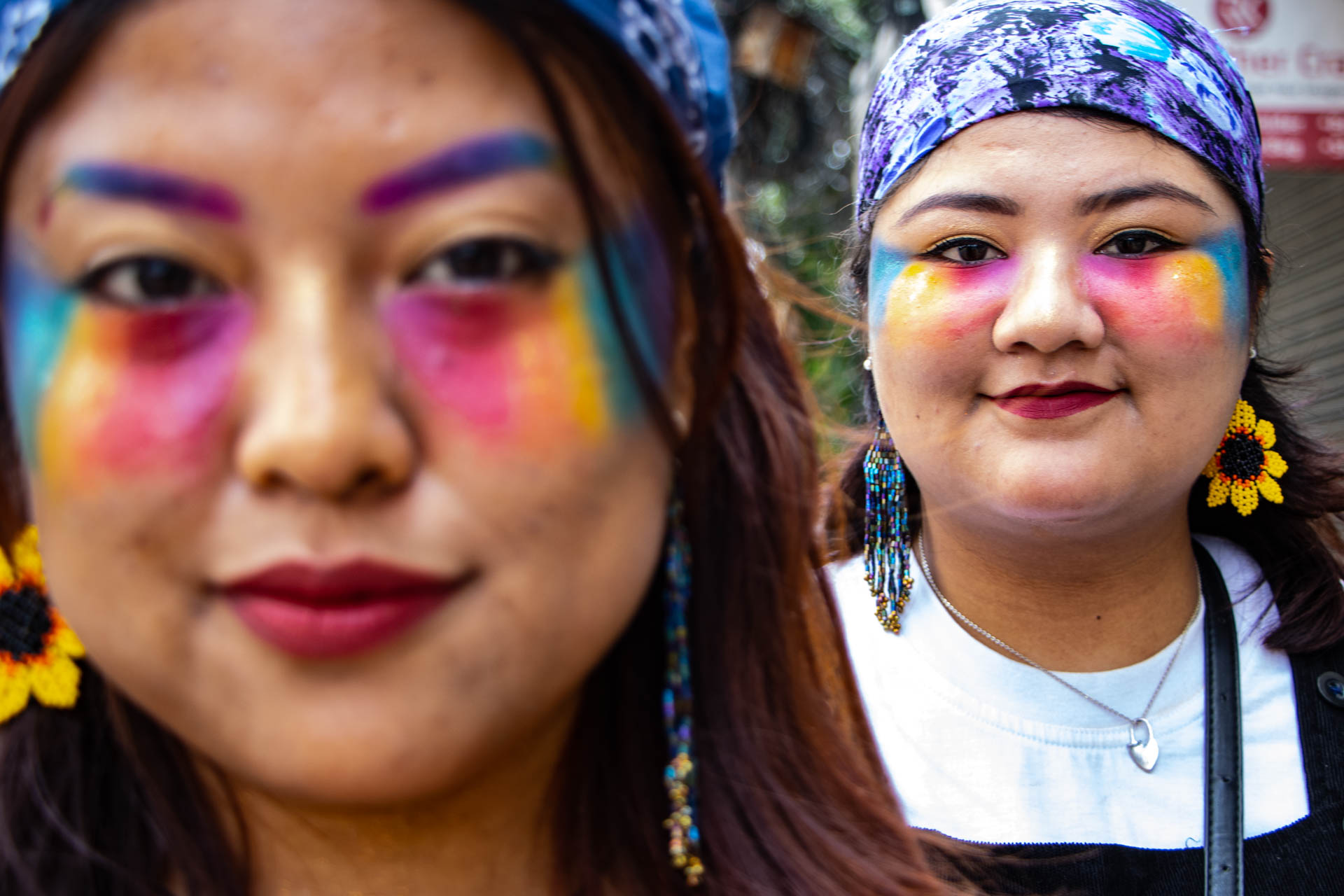
| Fagu Purnima/Holi | Chaitra 7, 21 March | Hills and Himalayas | Festival of colours/ Spring Festival is celebrated joyously throughout the nation by smearing colours on people’s faces and throwing water balloons at each other. | Yes in Hills and Himalaya region |
| Fagu Purnima/Holi | Chaitra 8, 22 March | Terai Only | Festival of colours/ Spring Festival is celebrated joyously throughout the nation by smearing colours on people’s faces and throwing water balloons at each other. | Yes in Terai region
|
| Ghode Jatra | Chaitra 23, 6 April | Kathmandu | Horses are paraded at Tundikhel grounds in presence of the President, Prime Minister and other dignitaries. The Newars celebrate it by paying homage to local goddesses and organizing a feast in the family. | Yes, (Kathmandu only) |
Ask Me About Nepal is a blog dedicated to exploring the beauty, depth, and diversity of Nepal. It offers readers authentic stories and insights about Nepali culture, history, traditions, people, and nature. From the snow-capped Himalayas to the vibrant streets of Kathmandu, and from ancient heritage to modern lifestyles, Ask Me About Nepal captures the essence of the country in words and visuals — inspiring readers to discover, appreciate, and connect with Nepal’s rich identity.
A Tithi is the unit of time to denote a day made by the movement of the moon. Most importantly, it is a date on the lunar calendar.
Sun Aug 09 2026
This Festival Calendar will come handy in days to come to know the dates of festivals, who celebrates it and if its a public holiday.
Sun Aug 09 2026
Tara Devi, the Nightingale Of Nepal, was famous for her soulful voice. This veteran Singer was and is still an Idol to many new comers.
Sun Aug 09 2026
Nepal’s government has granted a mining concession for what it calls the country’s biggest iron deposit in Jhumlabang, a remote farming community that could supply Nepal’s steel demand for years.
Sun Aug 09 2026
Oct 13, 2022
Jul 18, 2023
Sep 20, 2023
Jun 2, 2022


Ask Me About Nepal (AMAN) is your go-to digital platform for authentic, well-researched insights into Nepal’s people, places, culture, and hidden gems. From adventure to history, food to folklore—explore Nepal like never before!


Help us document the beauty and stories of Nepal. Your donation powers AMAN's journey.

Get captivating travel stories, hidden gems, and cultural insights from Nepal delivered to your inbox every month!
Want to Become a Contributor? Click Here
© 2025 Ask Me About Nepal. All Rights Reserved.