Mani Rimdu, a vibrant Buddhist festival, is a 19-day sequence of sacred ceremonies and empowerments, culminating in a 3-day public festival. It is celebrated by Sherpa and Tibetan communities in the Everest region, marking the culmination of a three-month-long meditation and empowerment retreat by monks. It is a festival to gather and celebrate together with the monastic community.
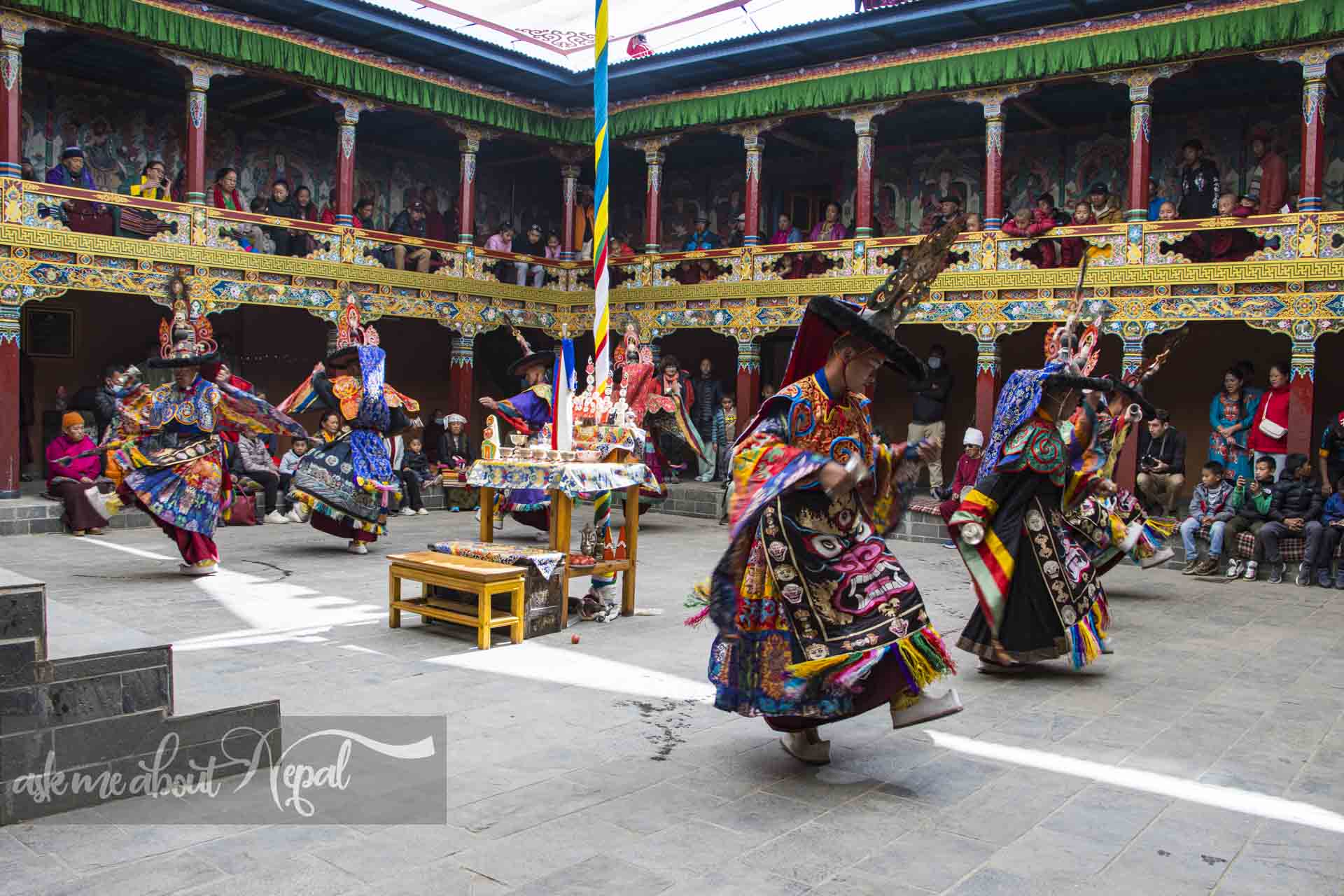
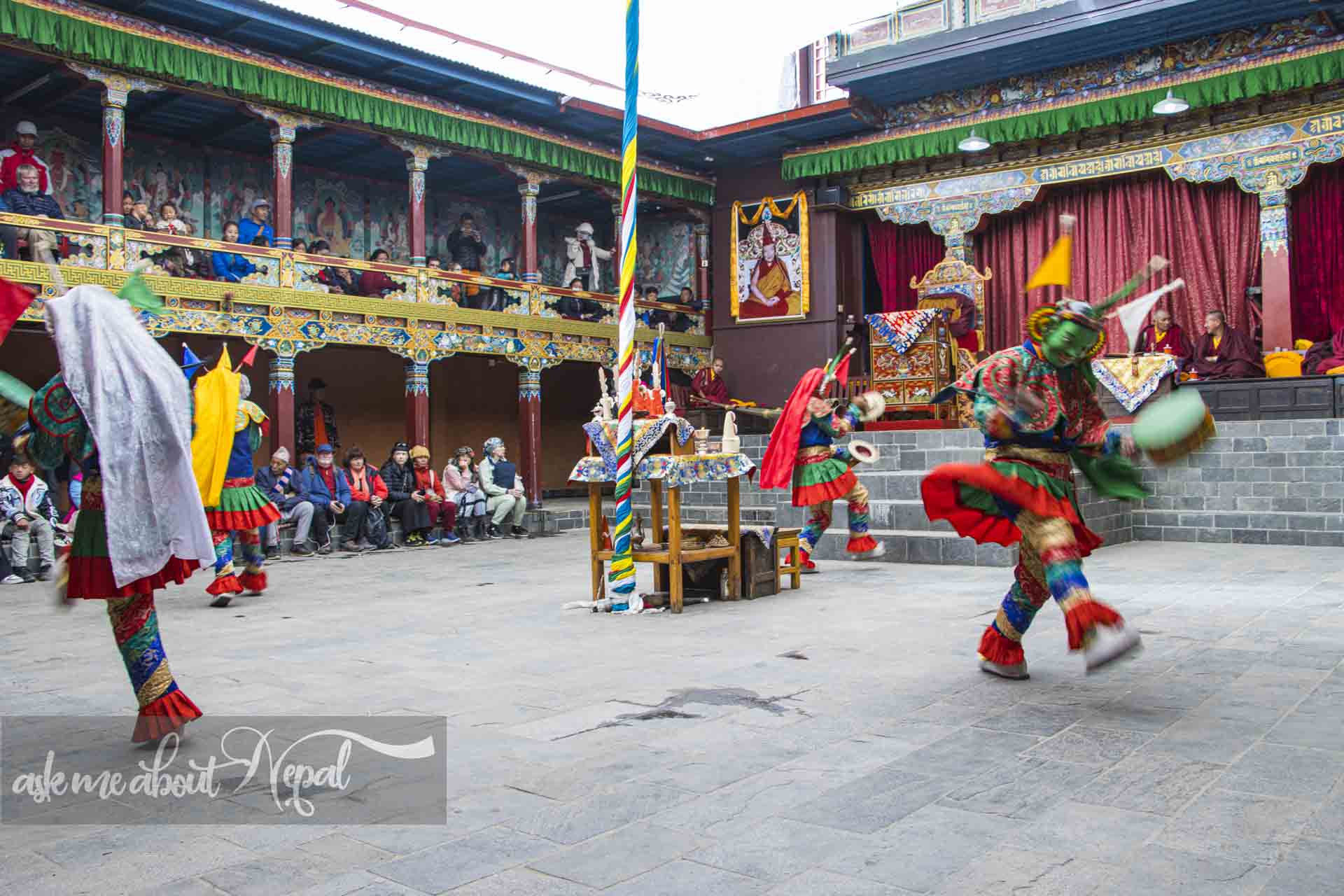
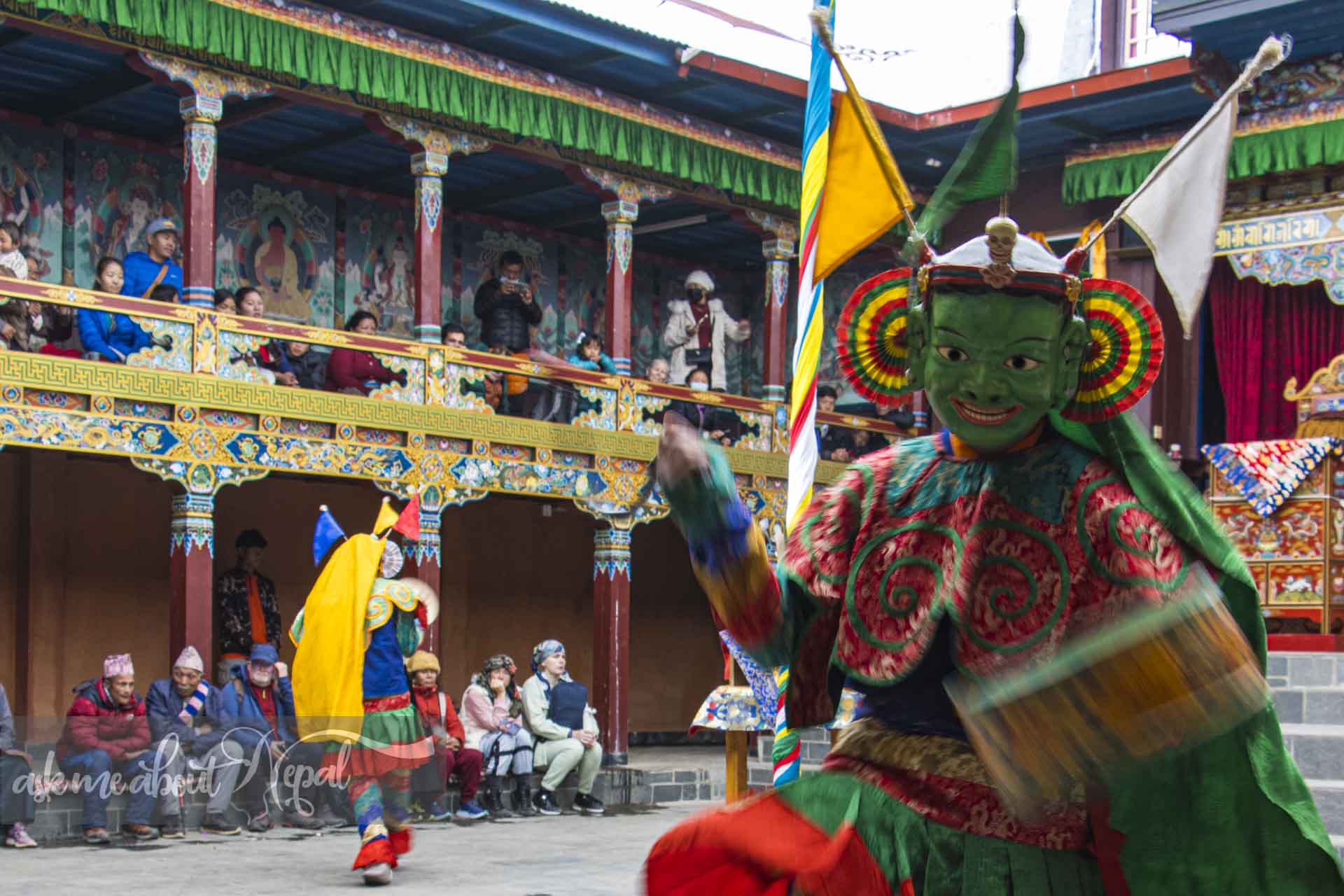
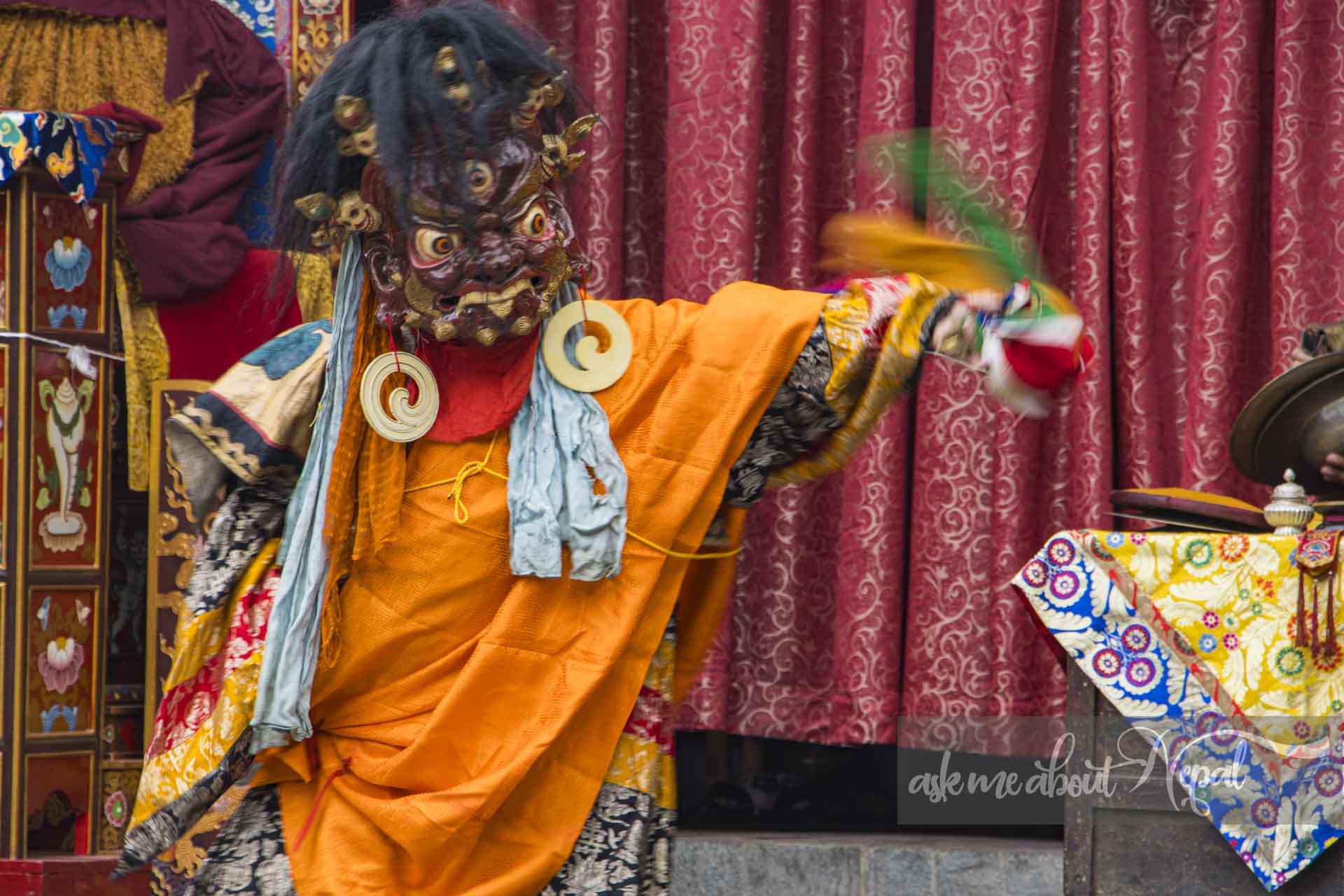
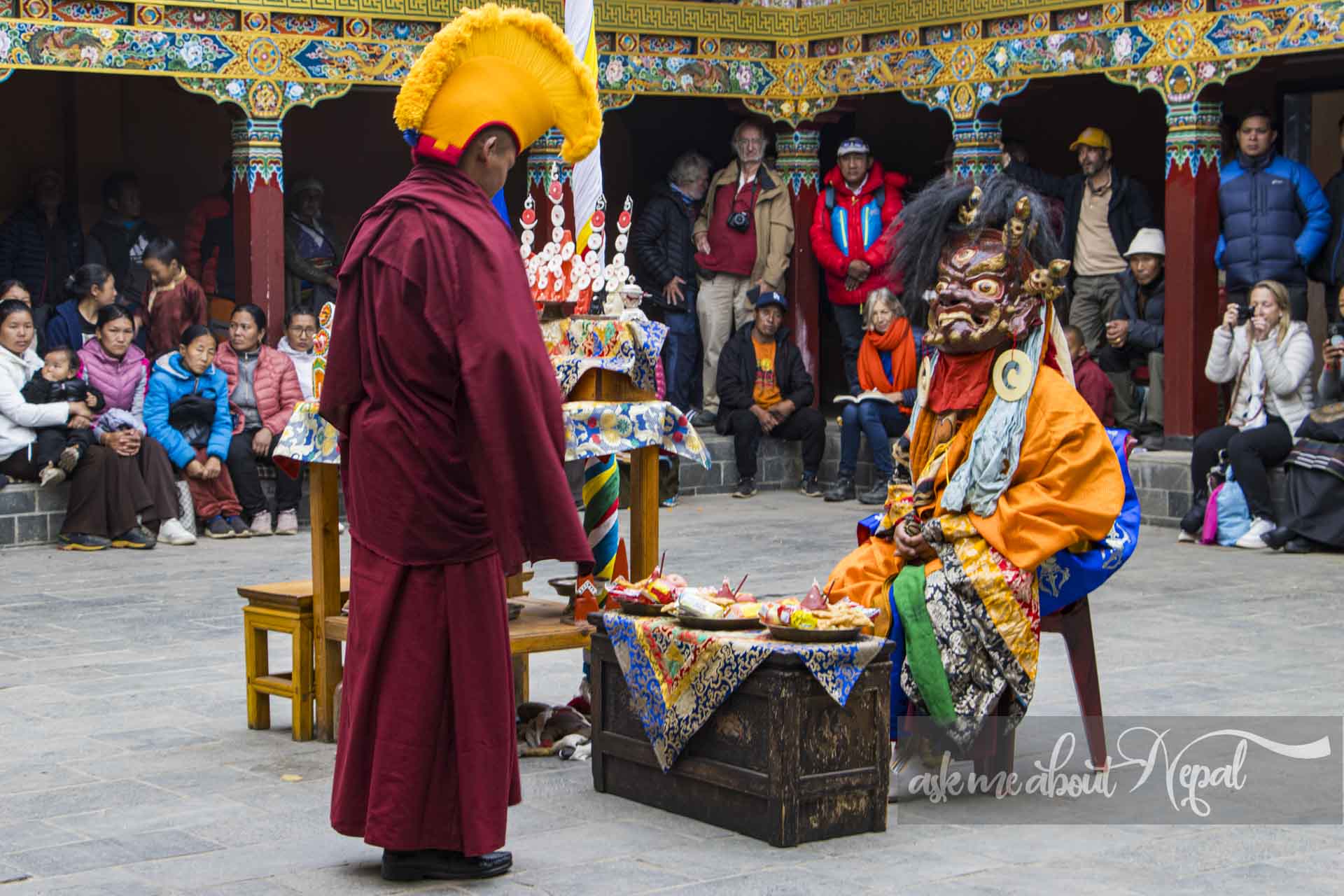
Mani Rimdu at Chiwong Monastery is a re-creation of legendary events; the establishment of Buddhism in Tibet by the great saint, Guru Rinpoche (Padmasambhava). Monks perform sacred dances wearing colourful masks and garbs representing deities and historical figures, reenacting the establishment of Buddhism in Tibet. Through the dances, symbolic demons are conquered, dispelled, or converted to Dharma Protectors, as positive forces clash with those of chaos. The dances that are public performances in the presence of Sang Sang Rinpoche, convey Buddhist teachings on many levels – from the simplest to the most profound – for those who do not have the opportunity to study and meditate extensively.
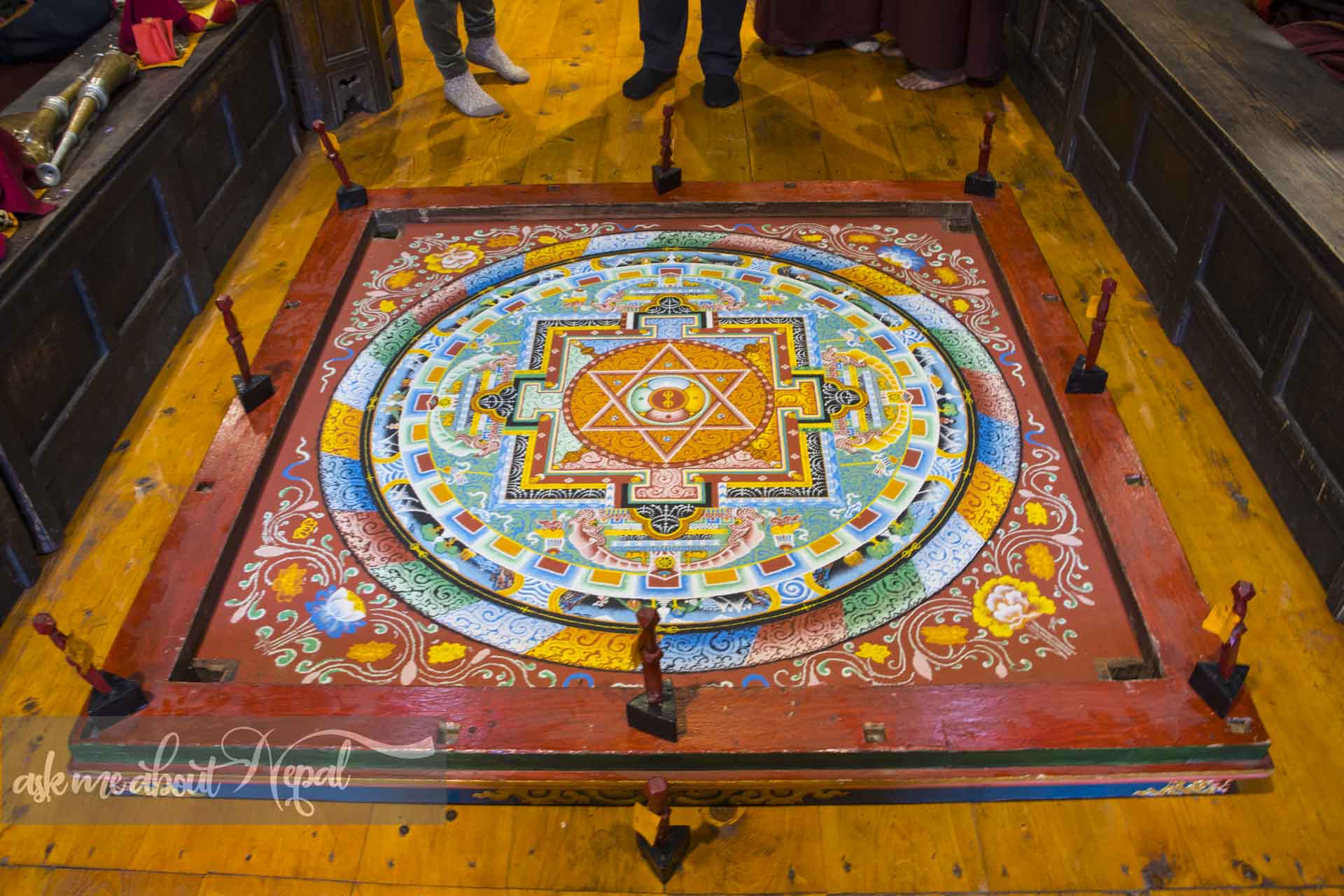
Mani Rimdu begins on the first day of the tenth month of the Tibetan lunar calendar, typically falling between mid-October and mid-November, and continues until the nineteenth day. Throughout the festival, monks conduct round-the-clock pujas (rituals) to consecrate the Mandala, the Mani Rilwu Pills (sacred pills), the Tshereel (long-life pills), and the Torma.
Photo story of Mani Rimdu in Chiwong Monastery, Solu
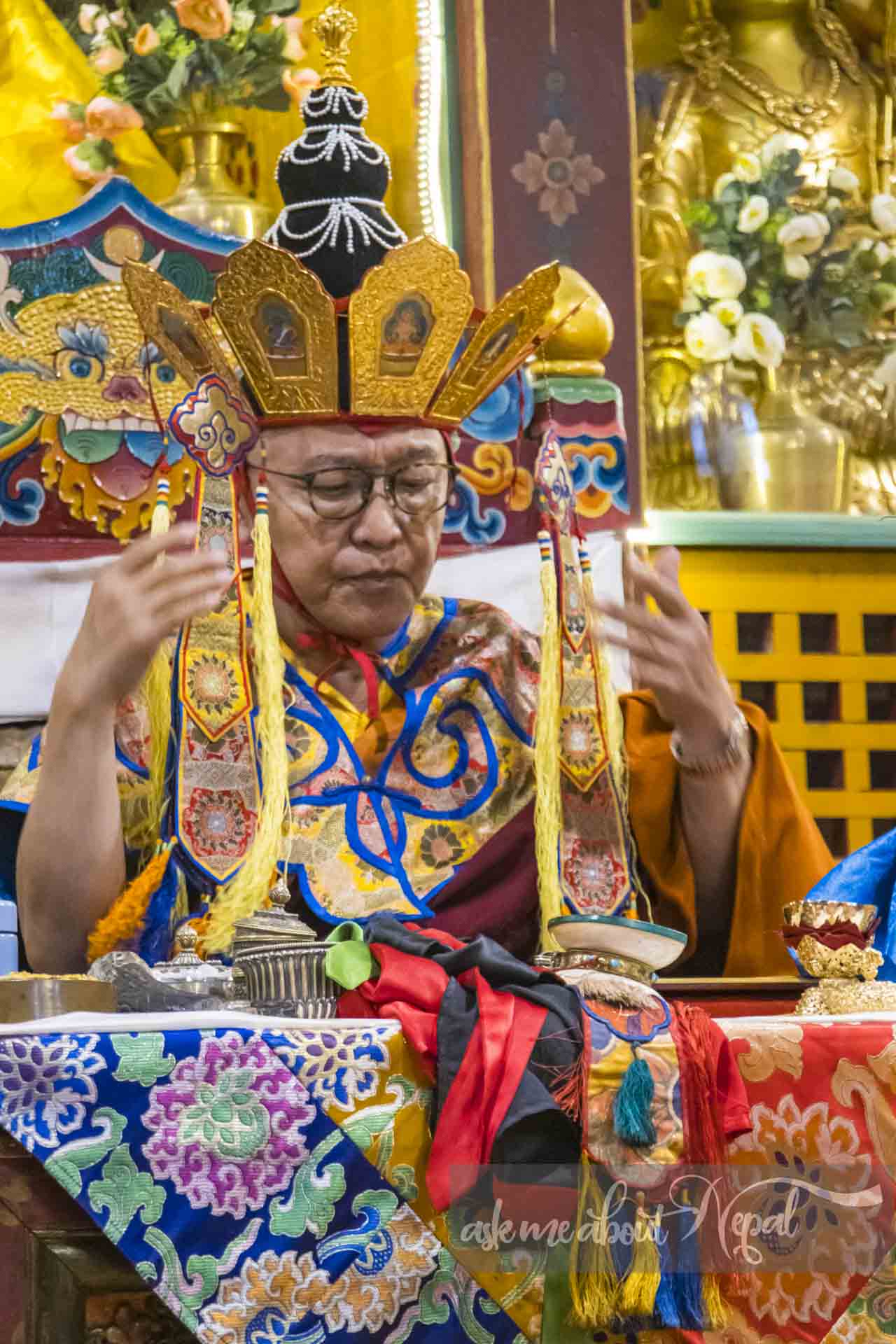
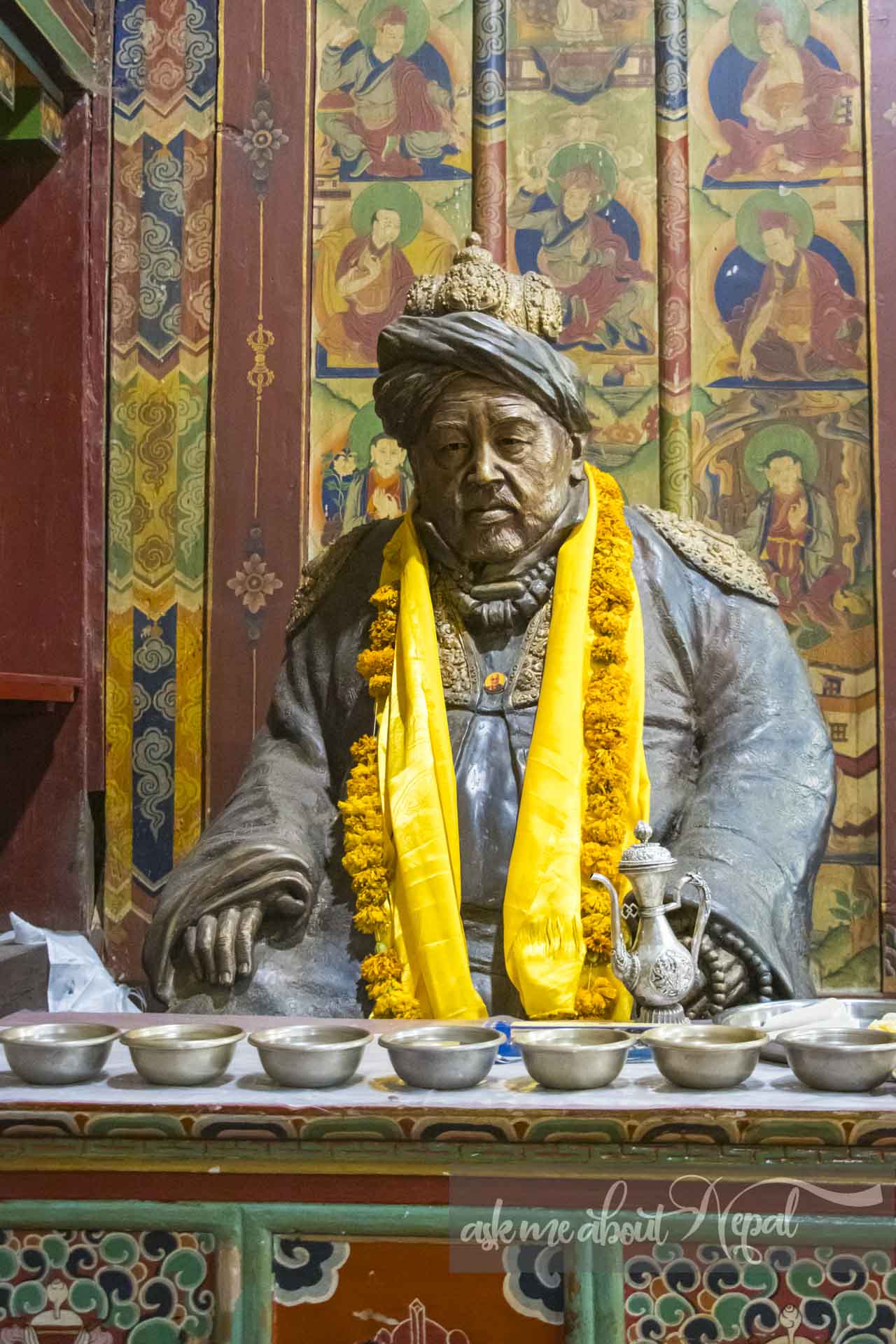
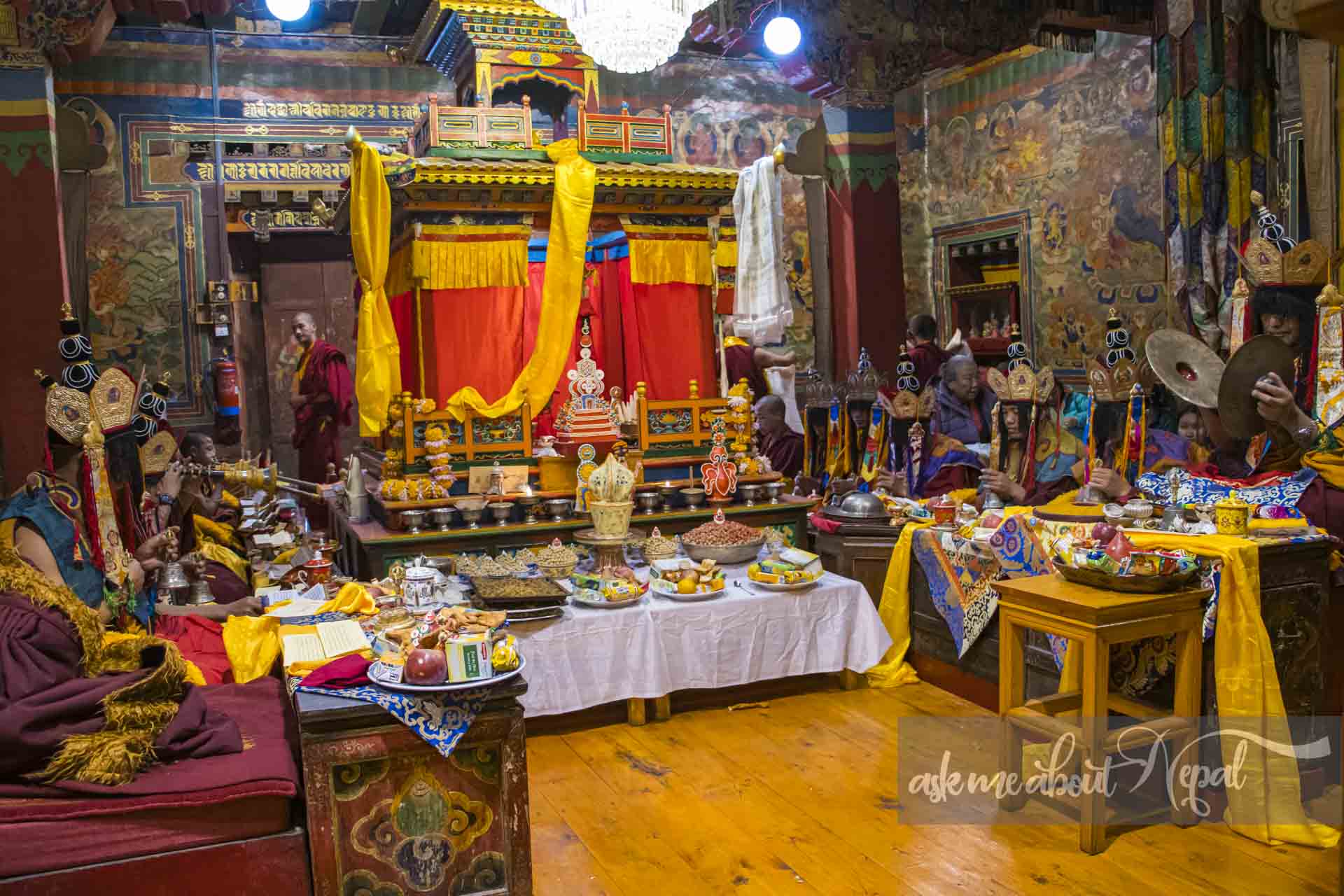
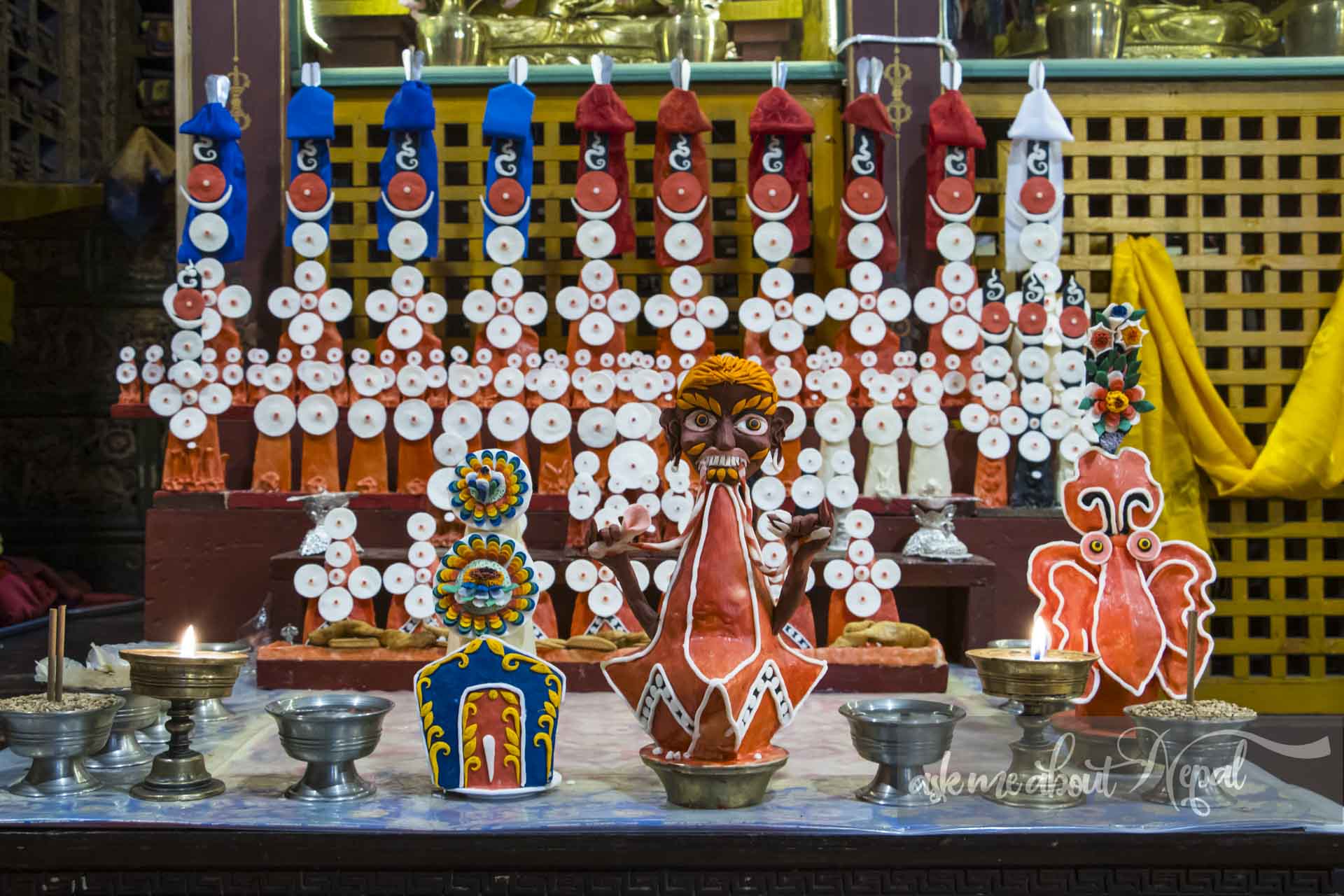
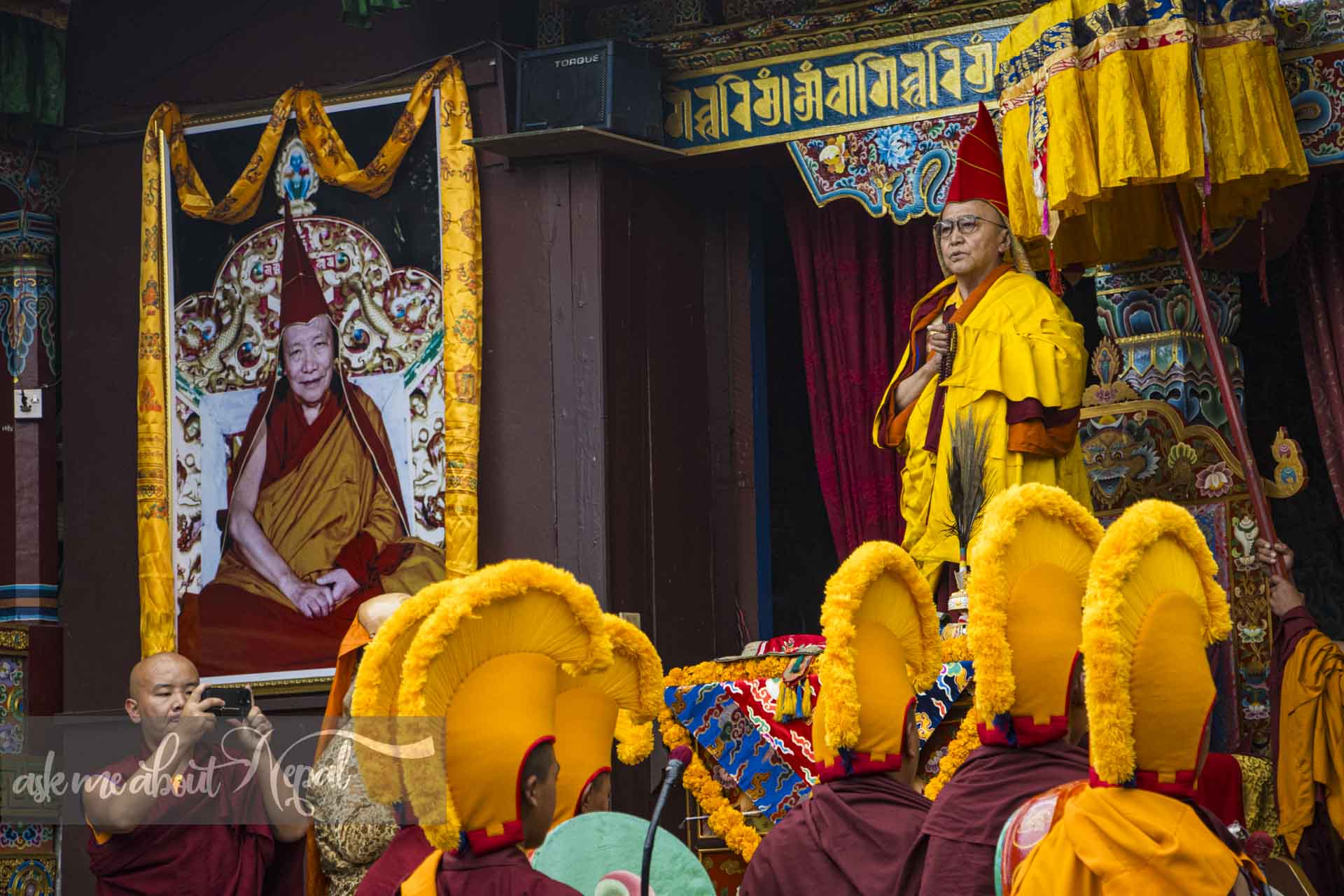
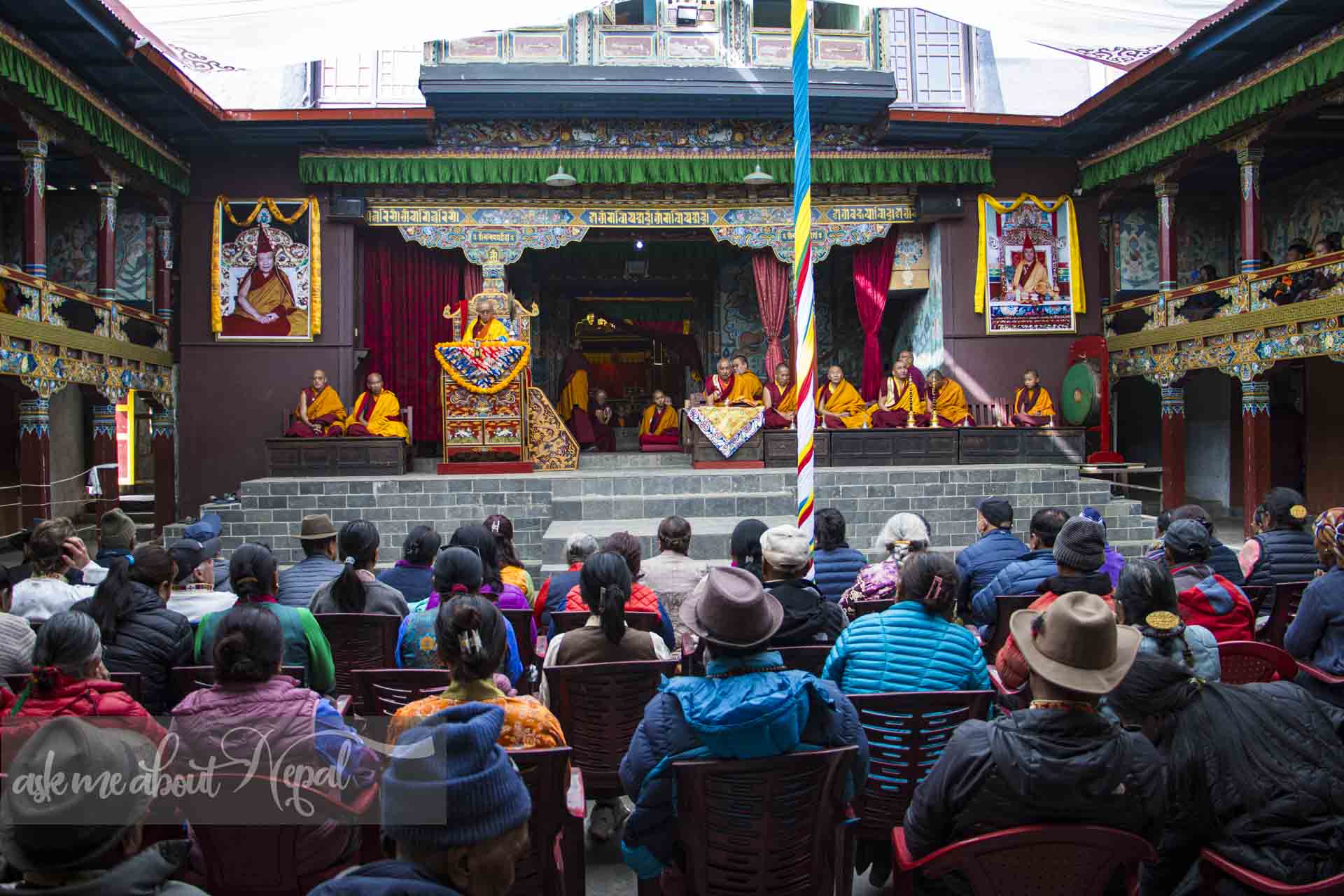
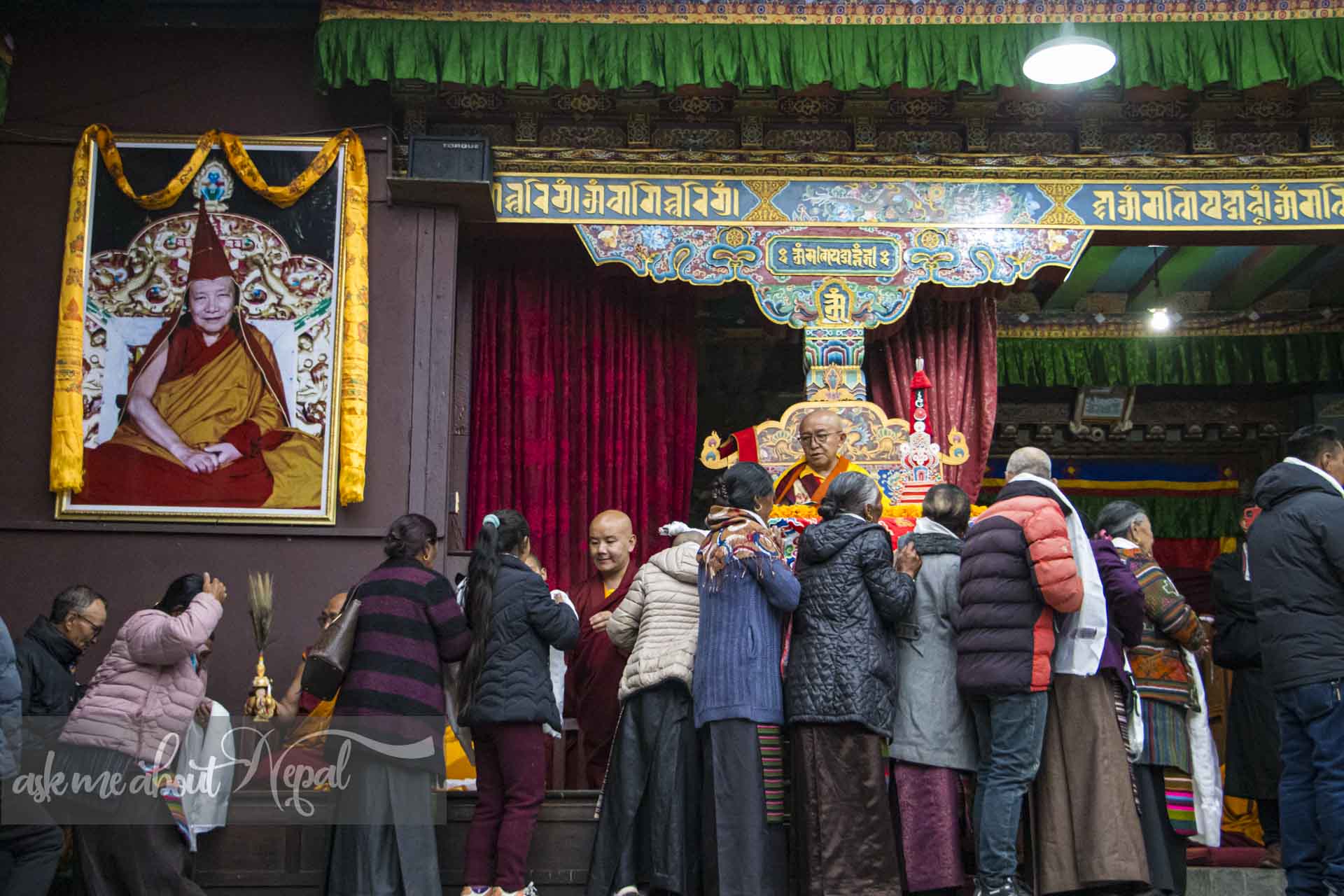
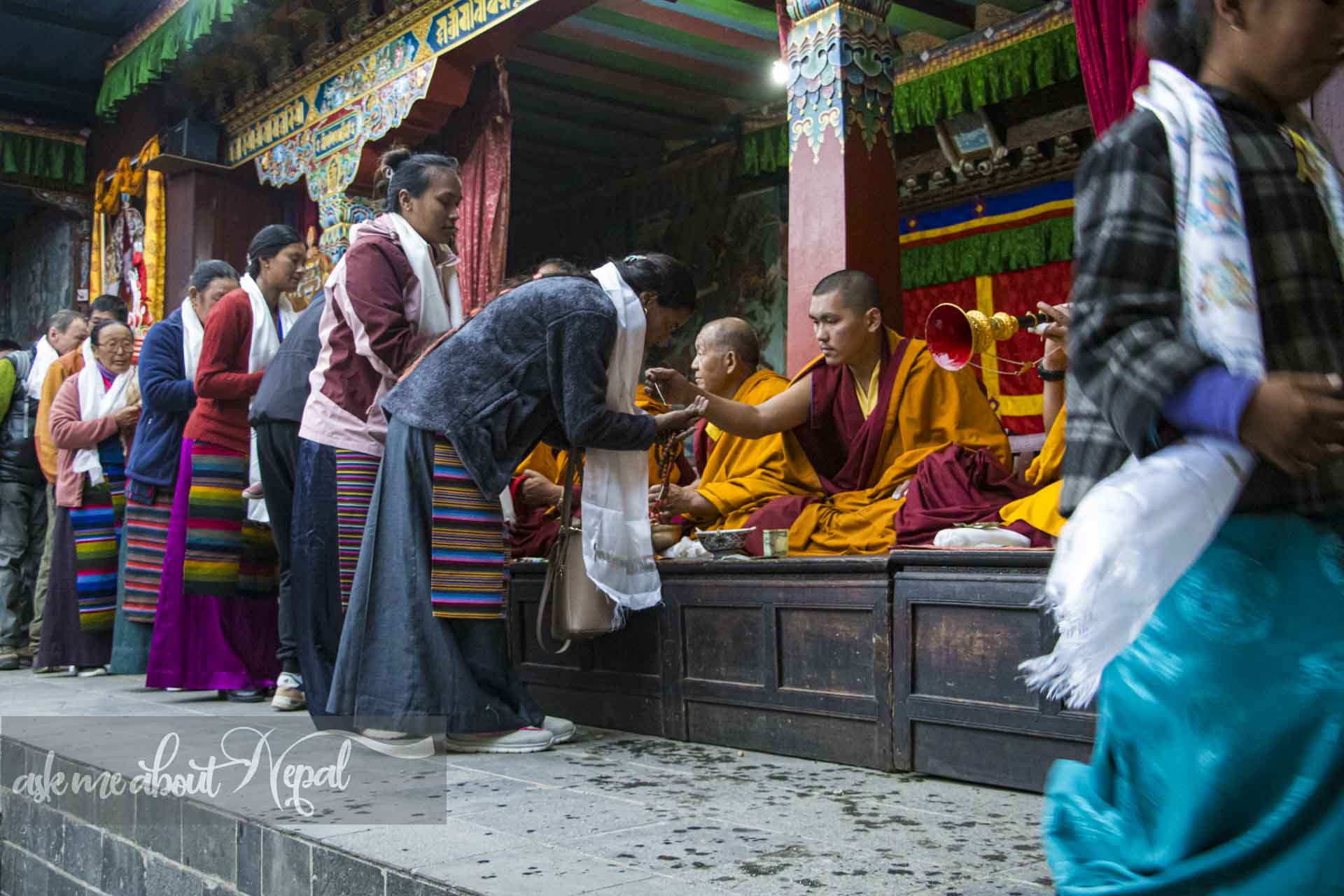
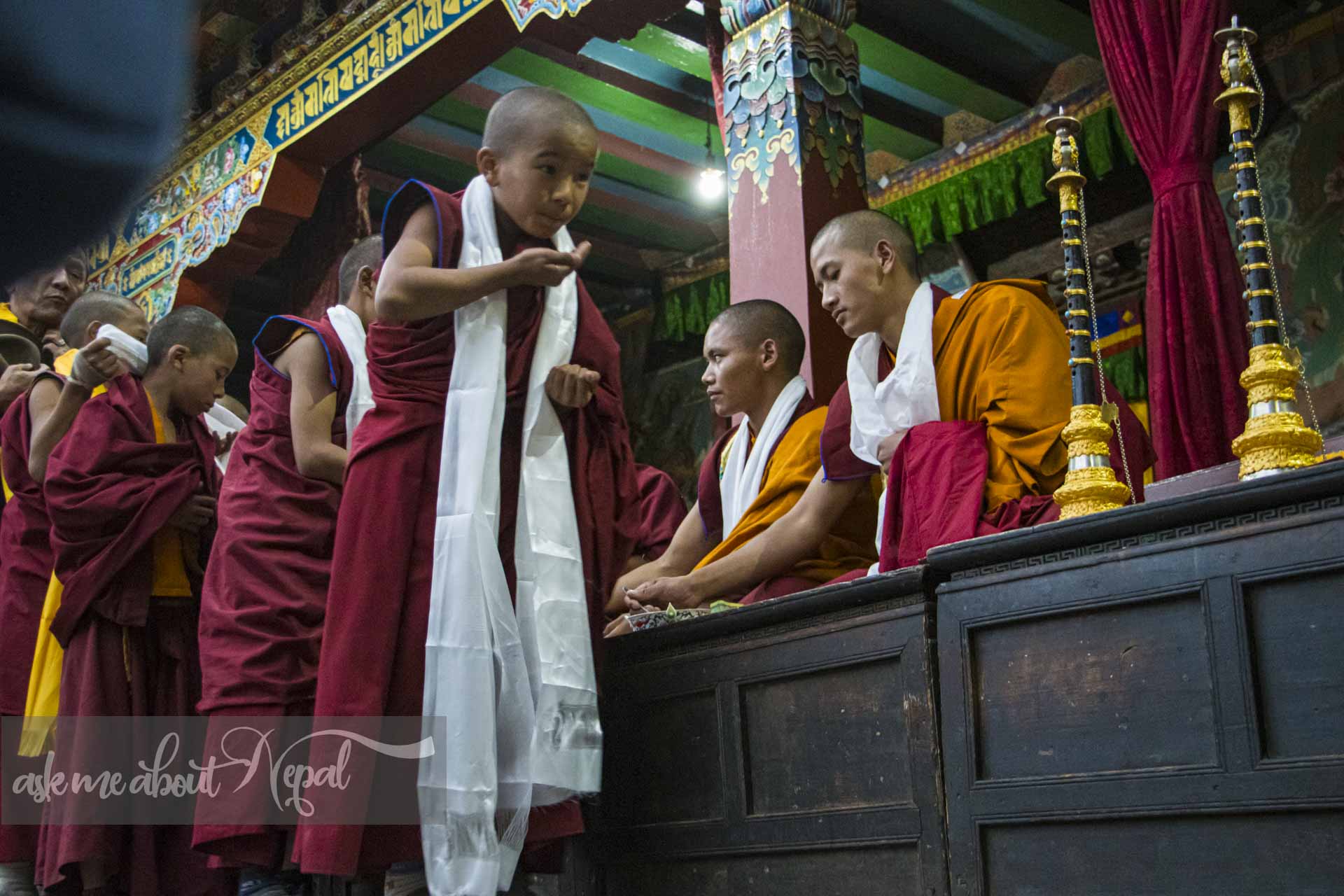
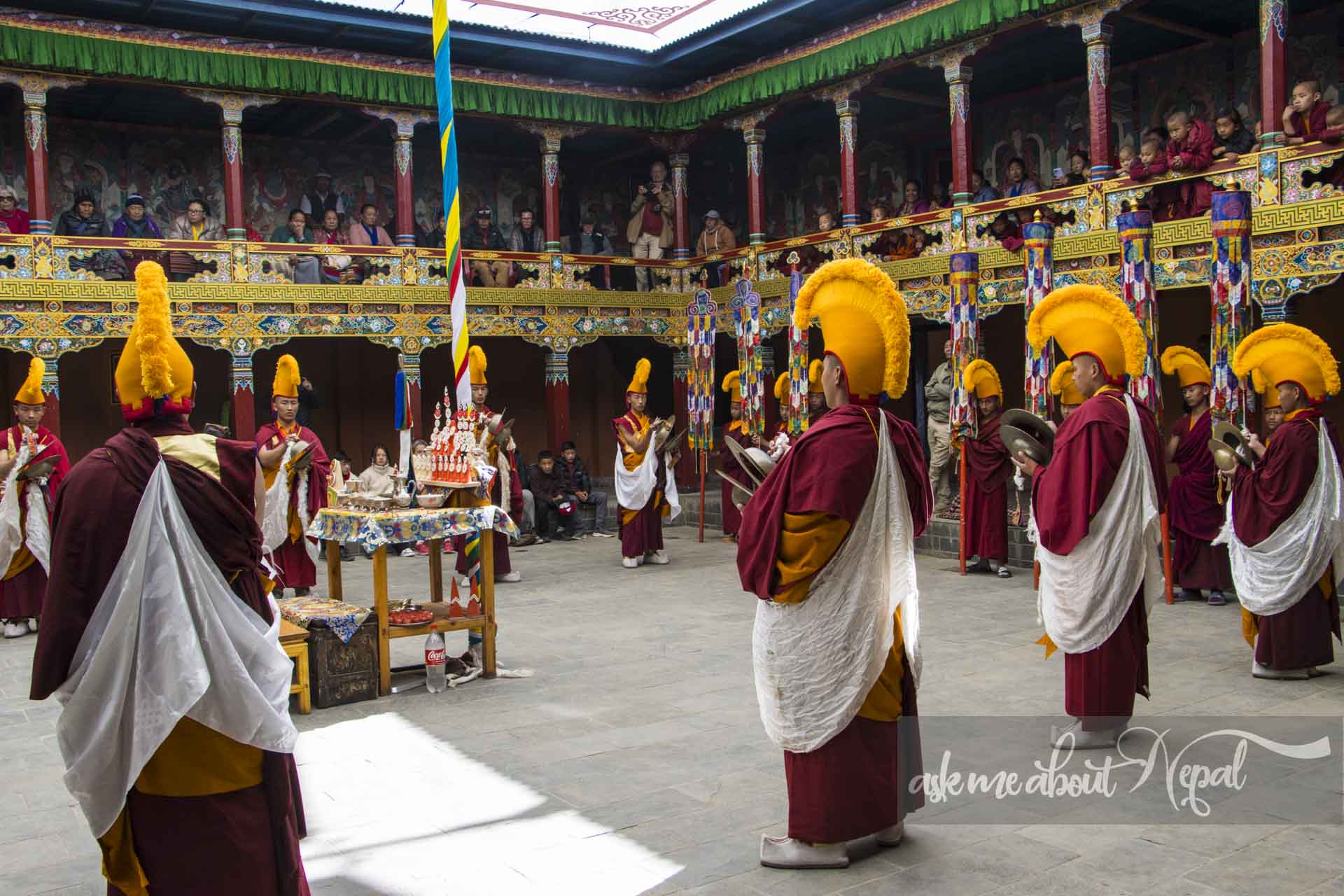
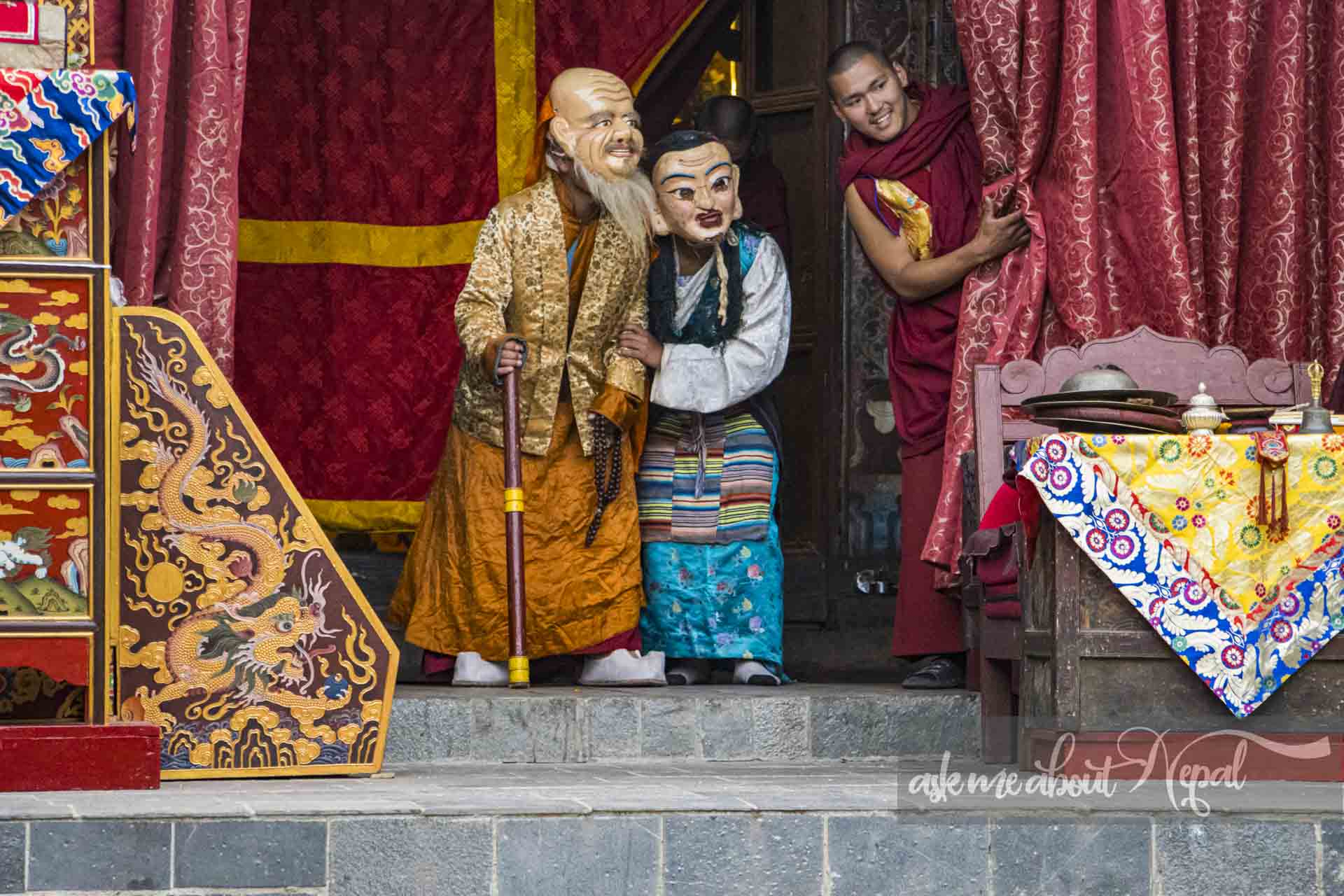
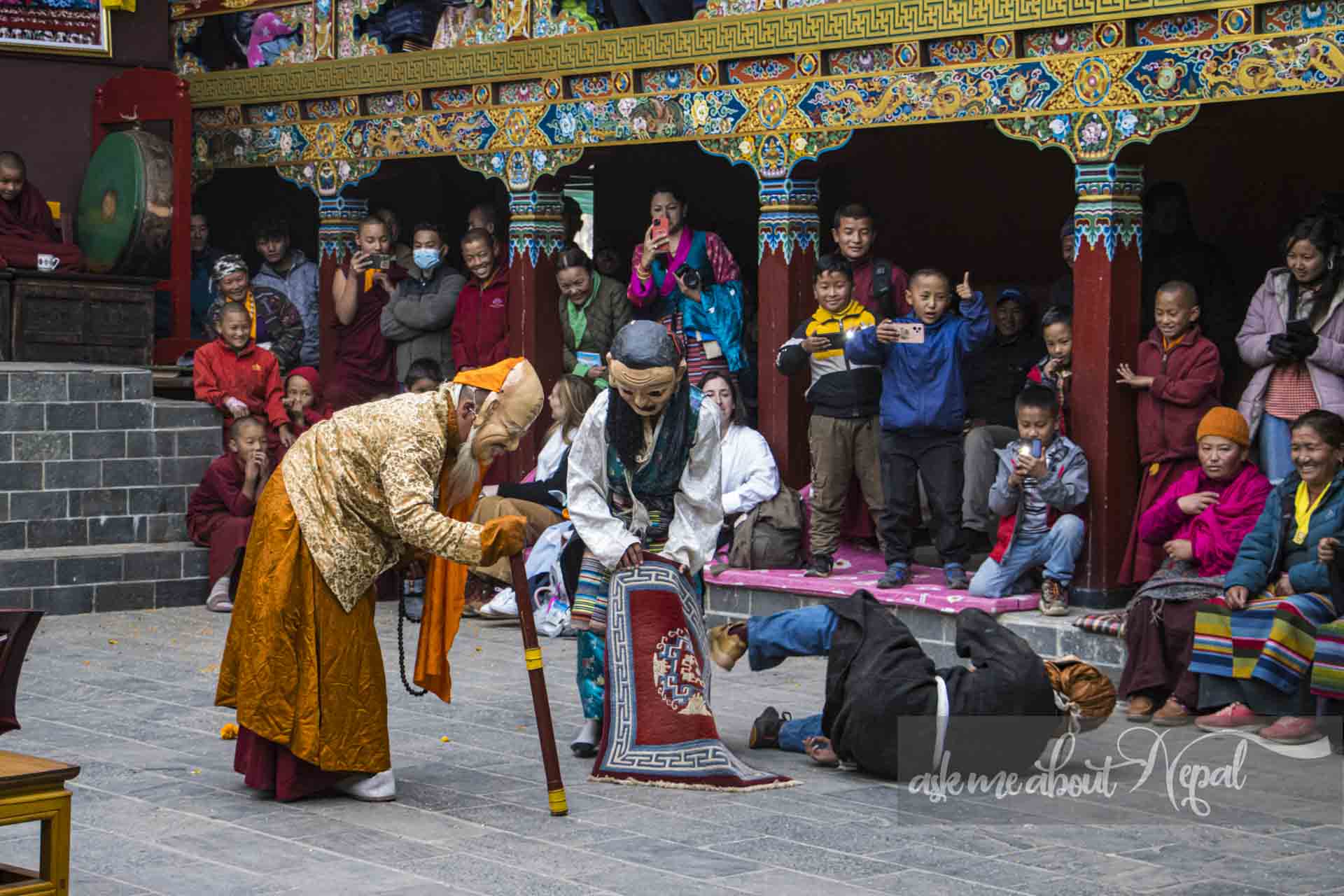
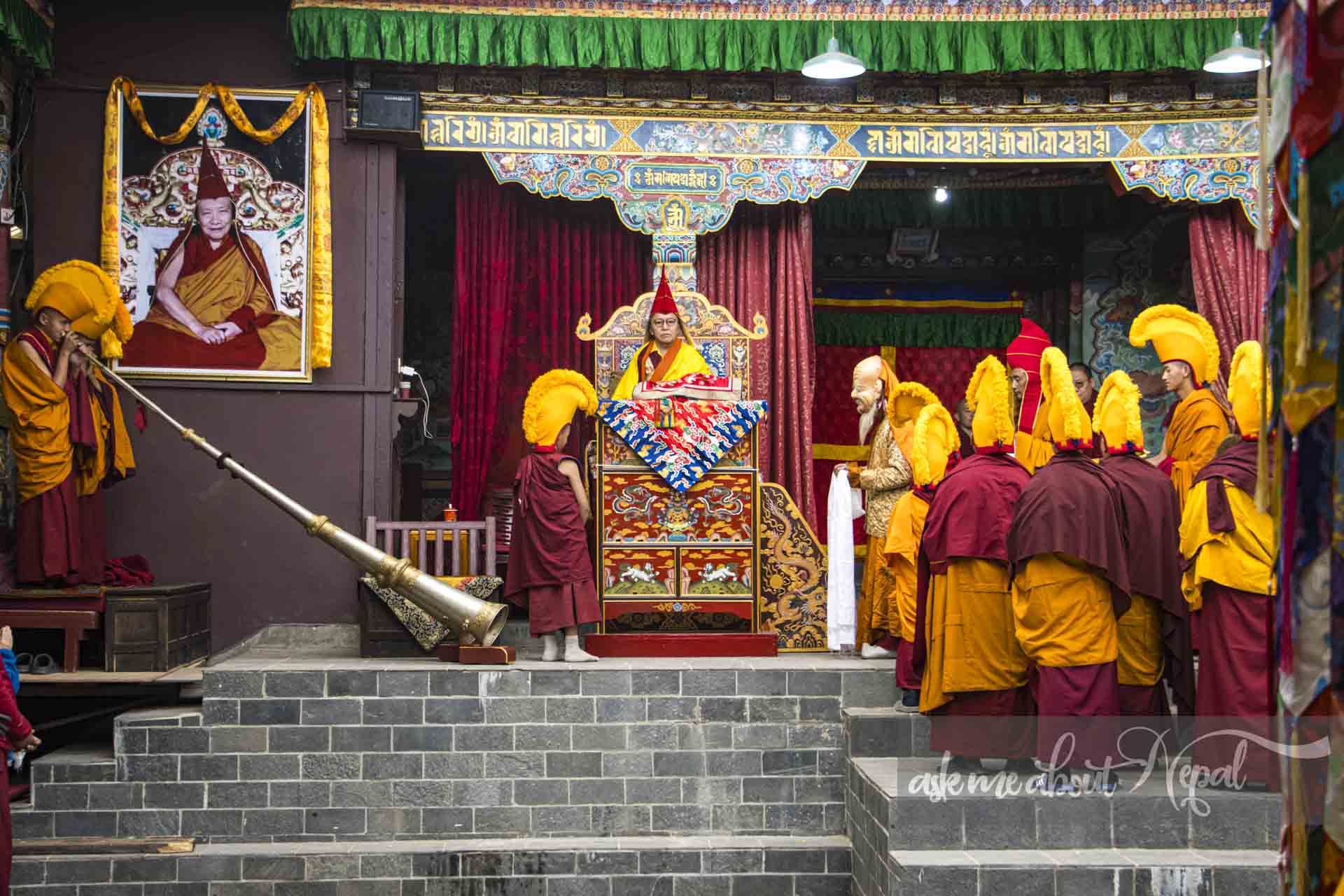
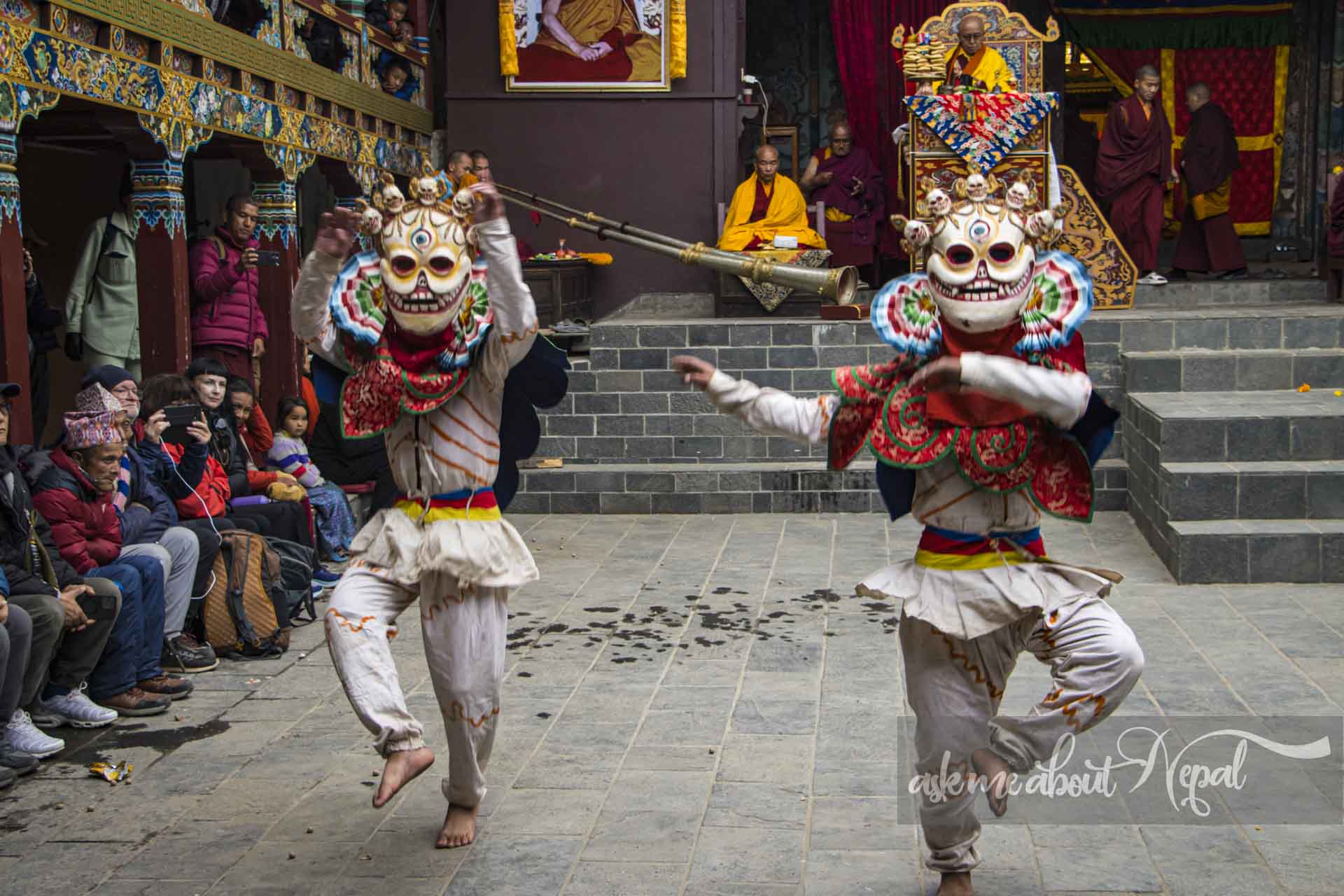
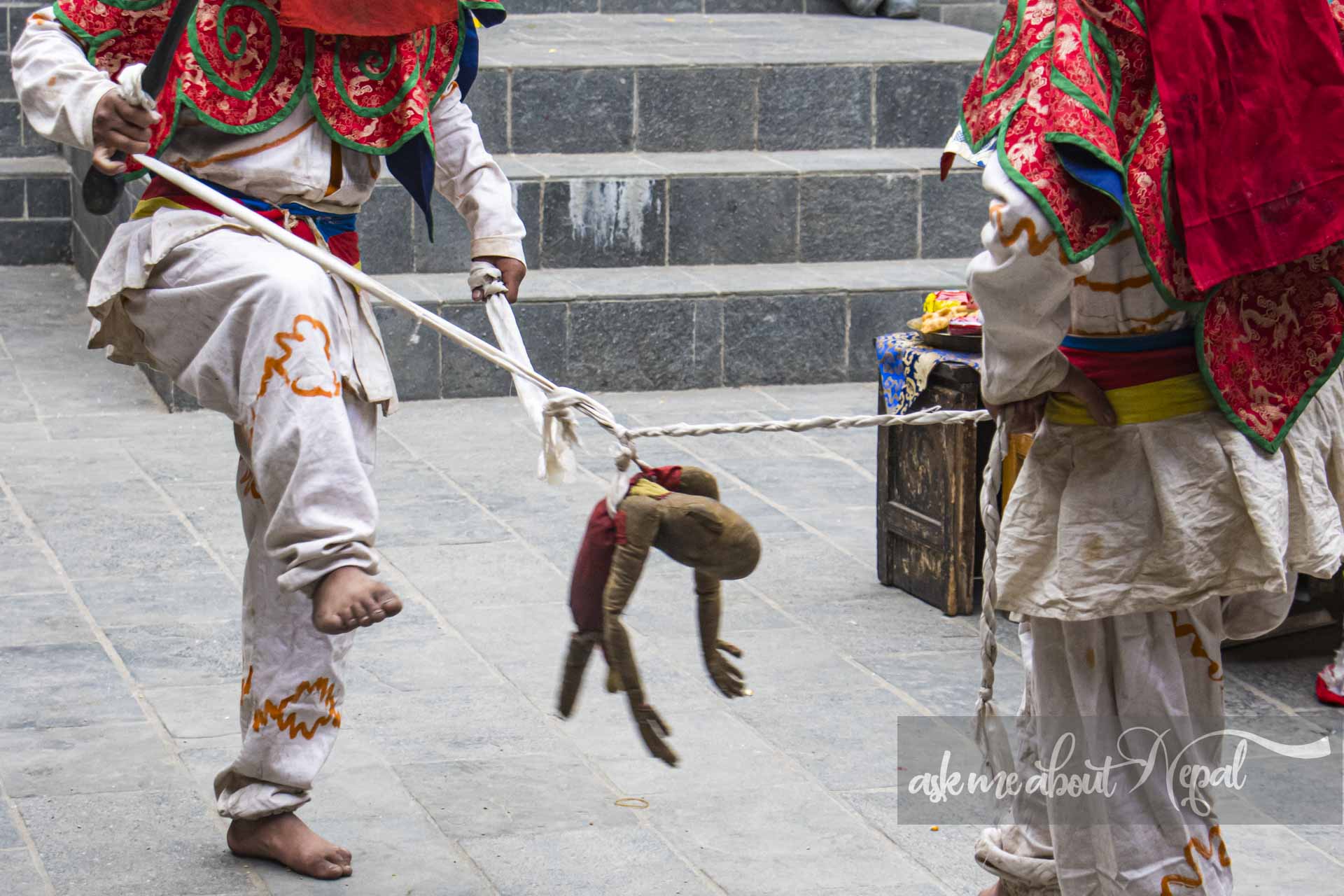
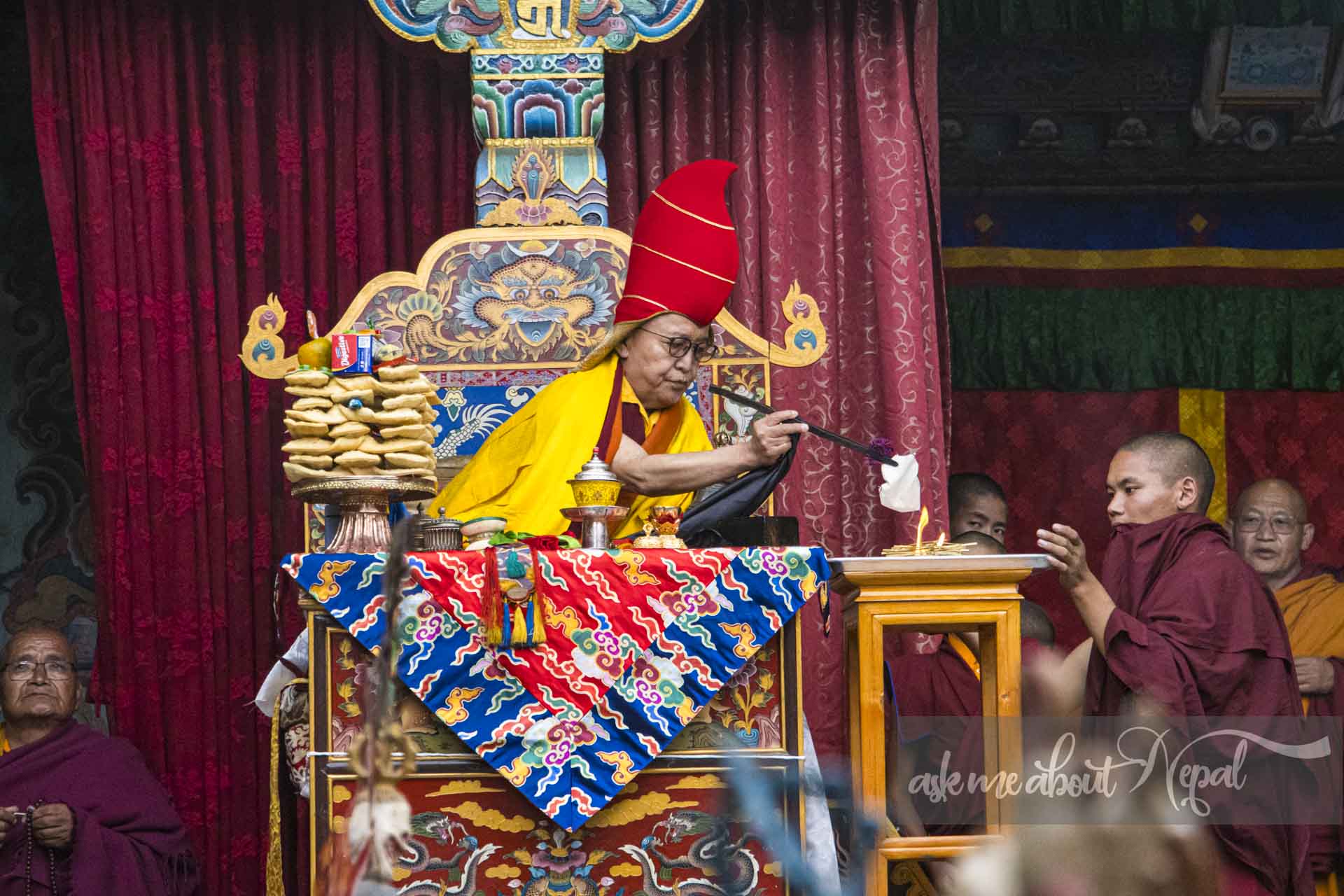
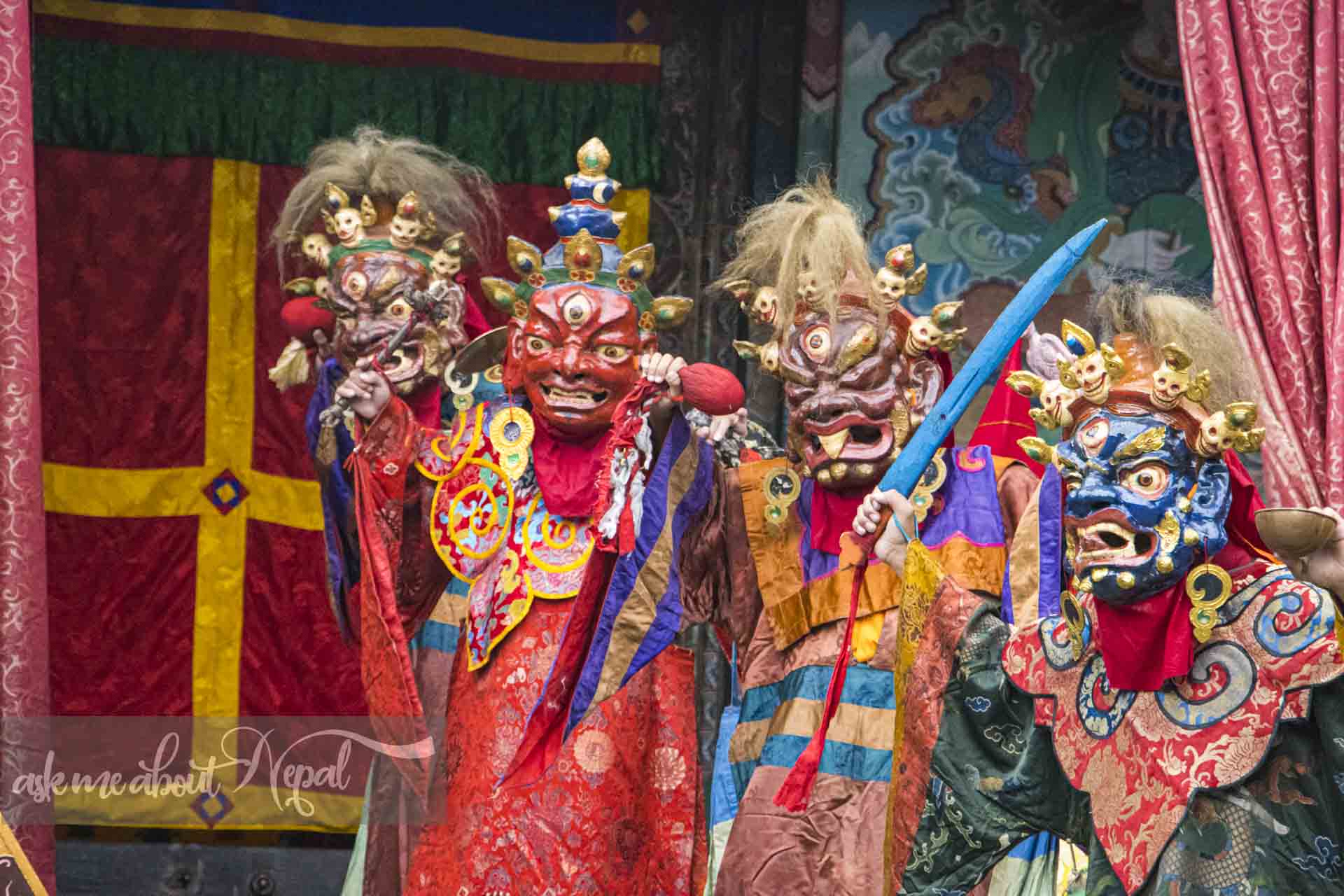
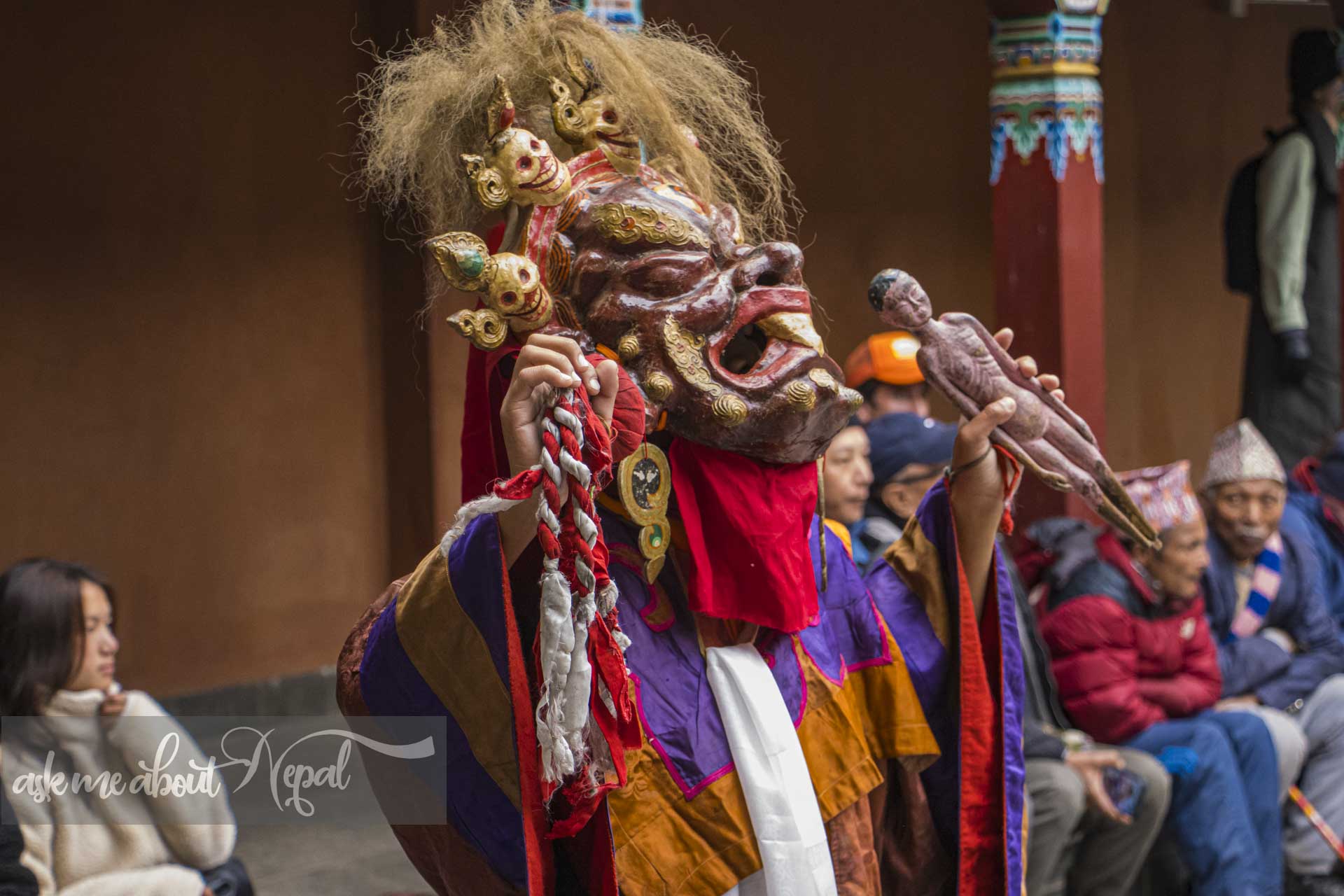
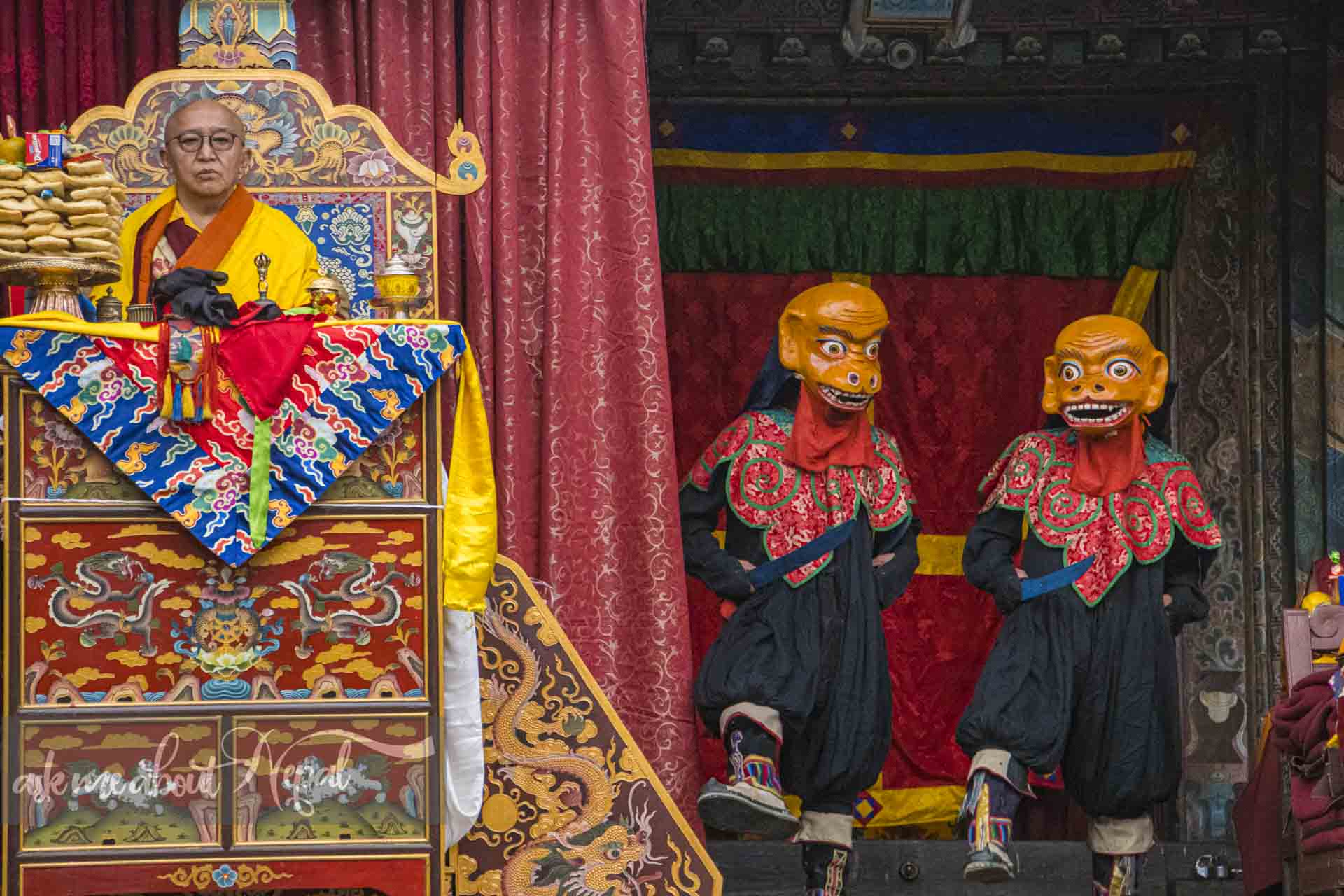
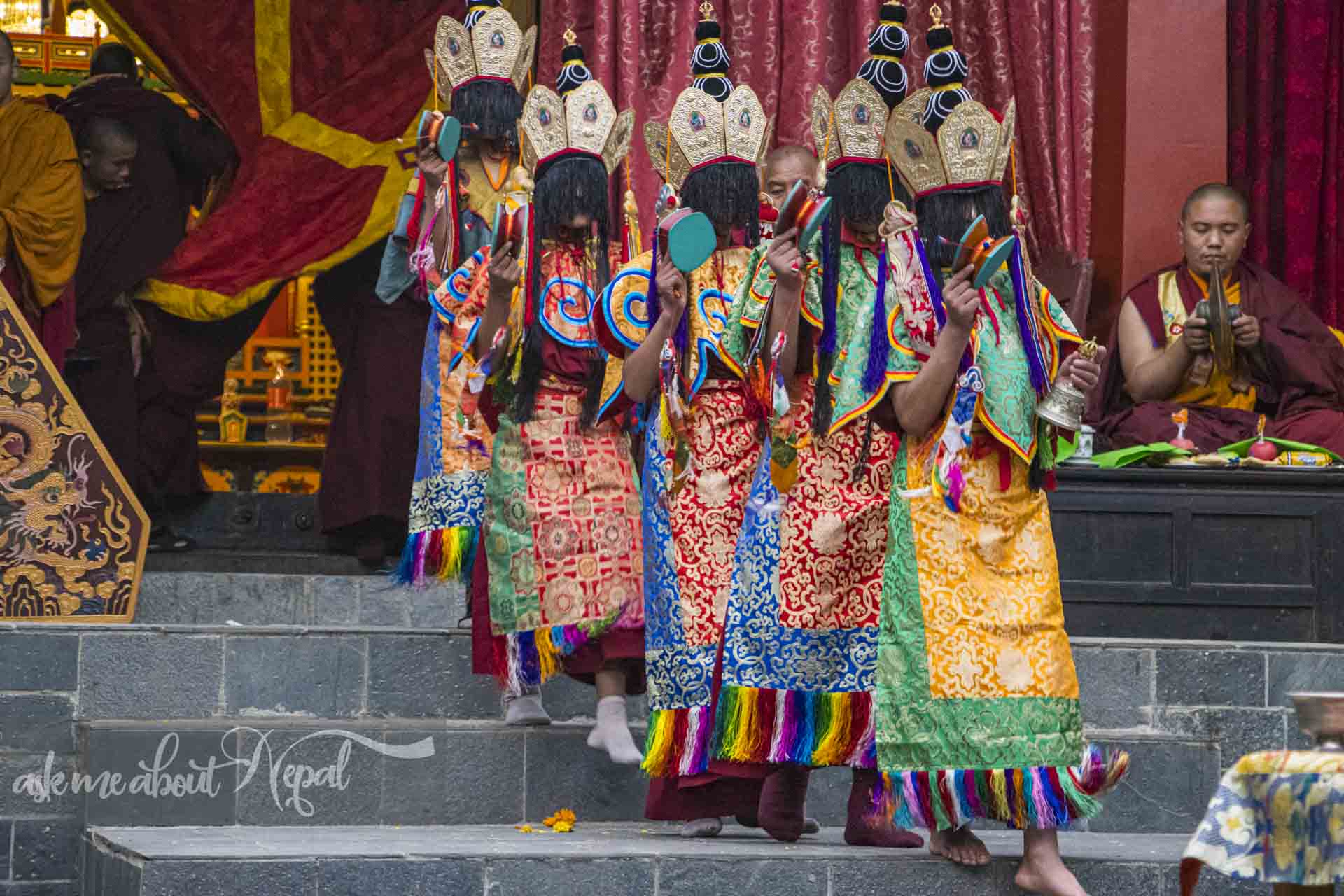
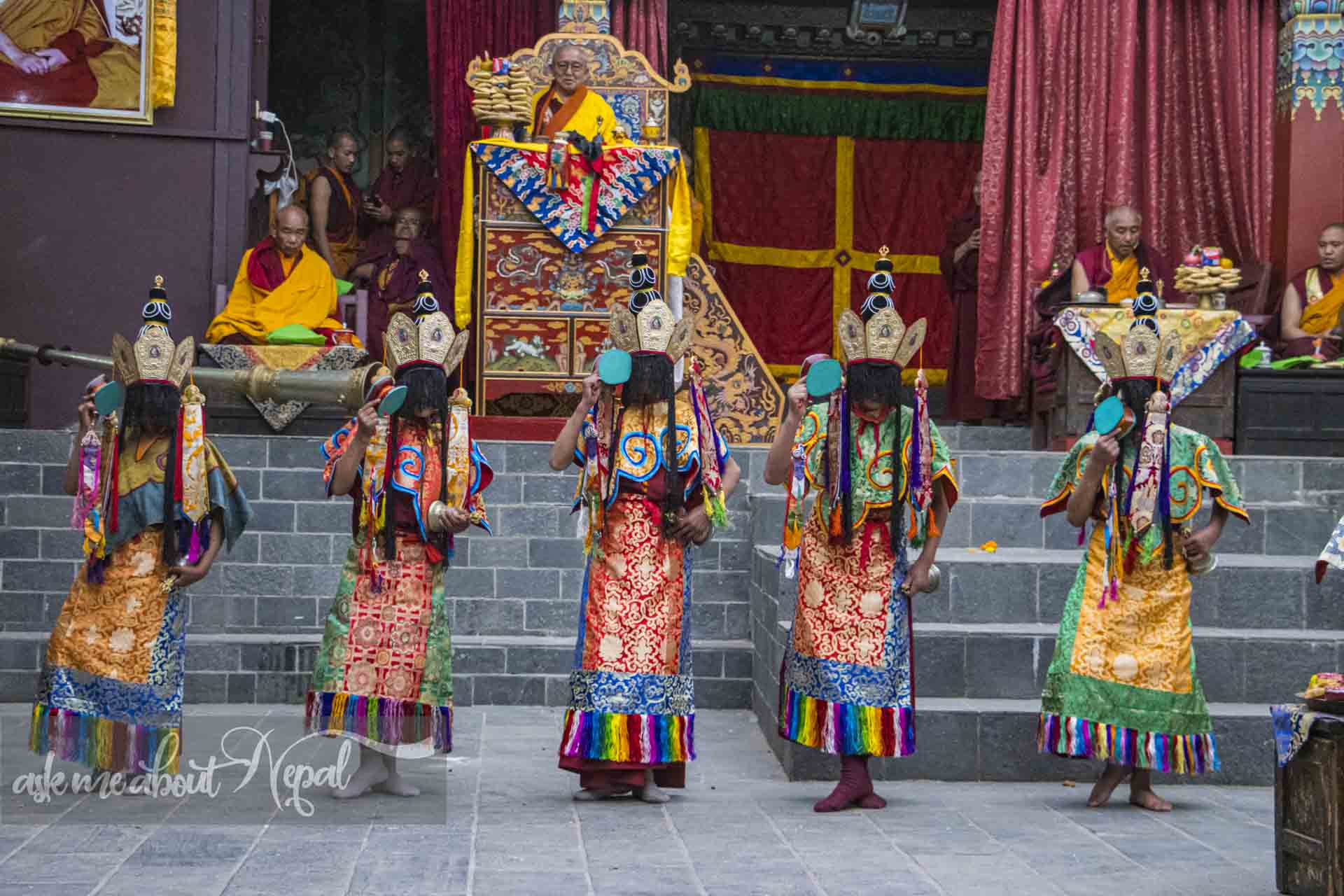
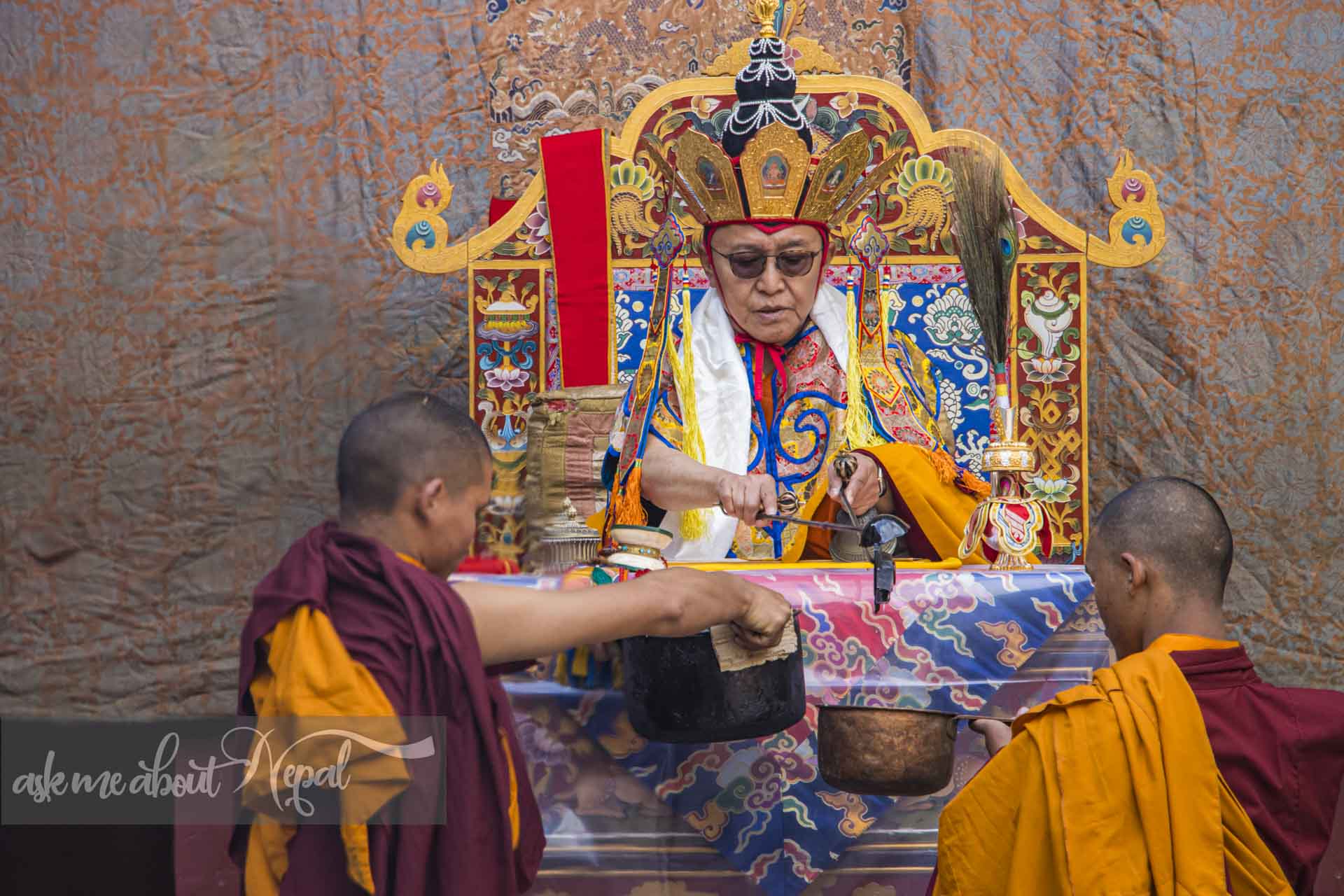
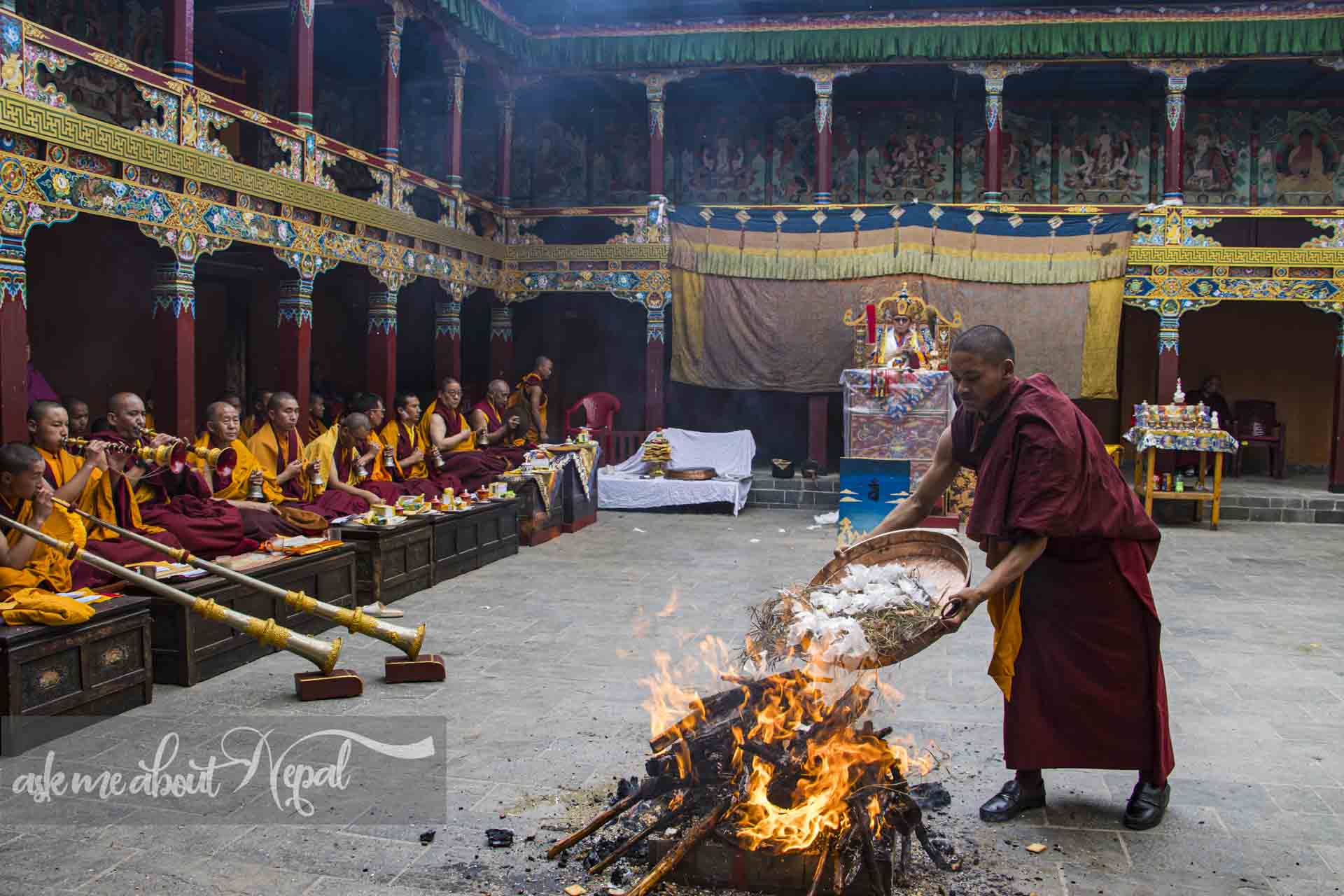
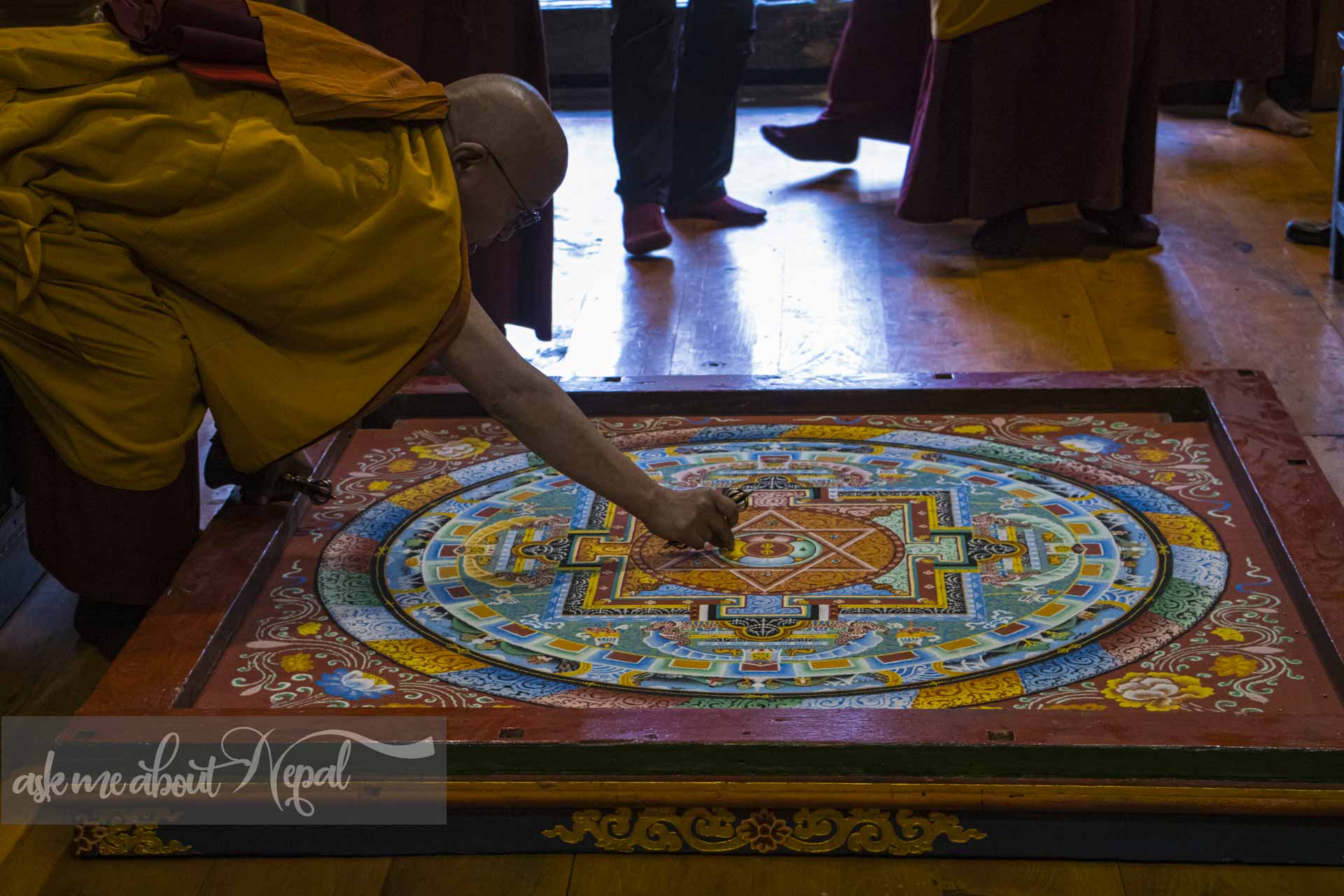
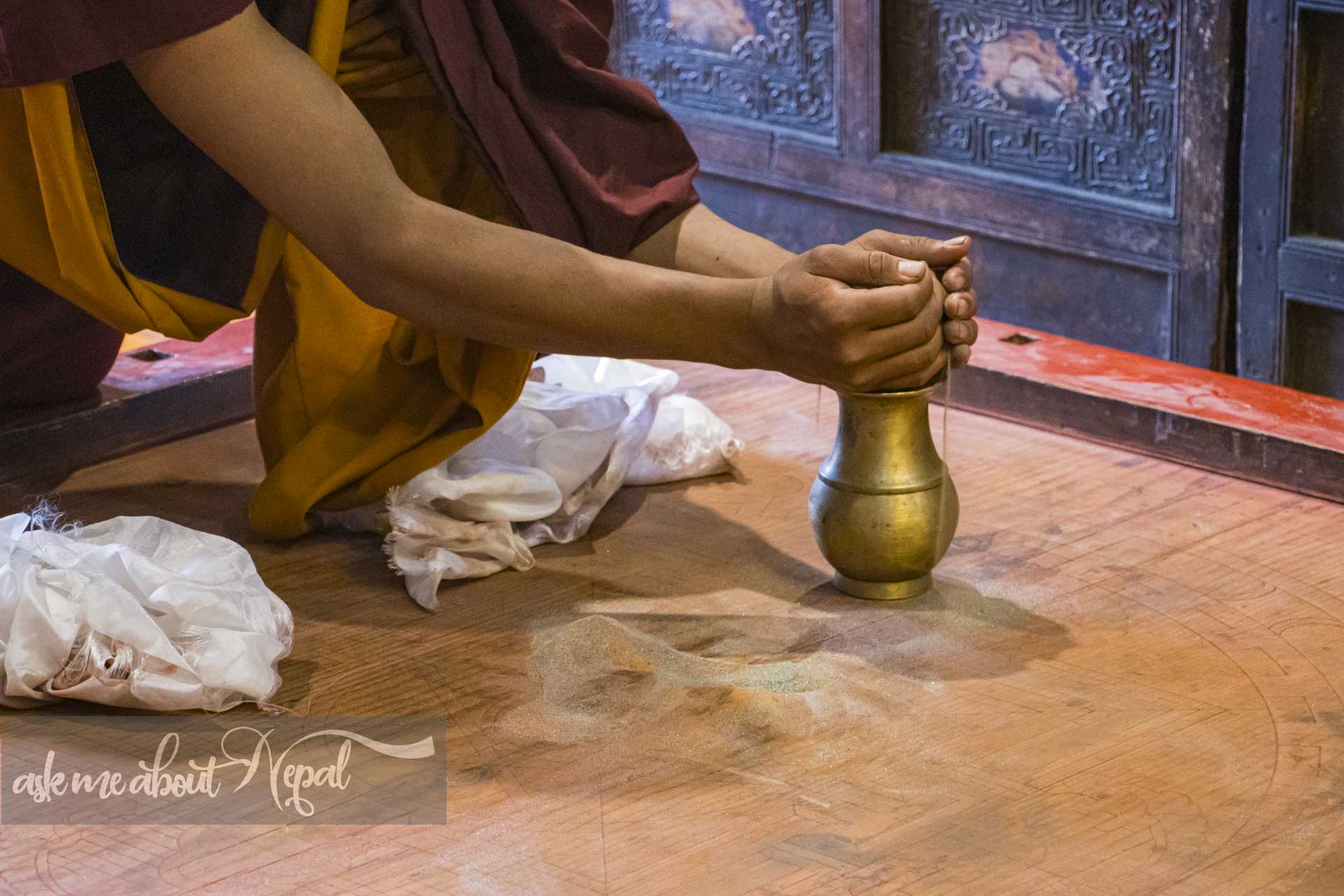
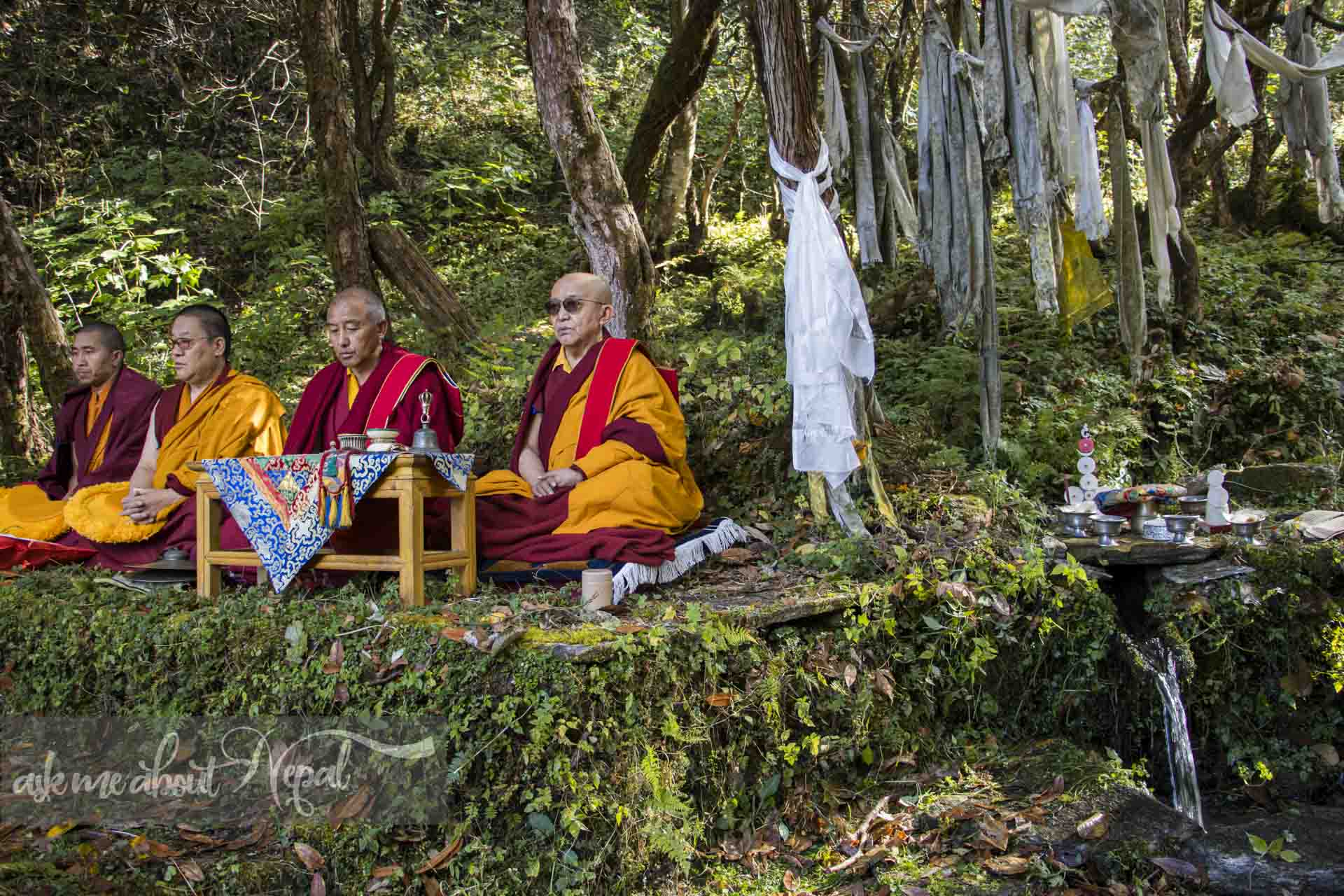
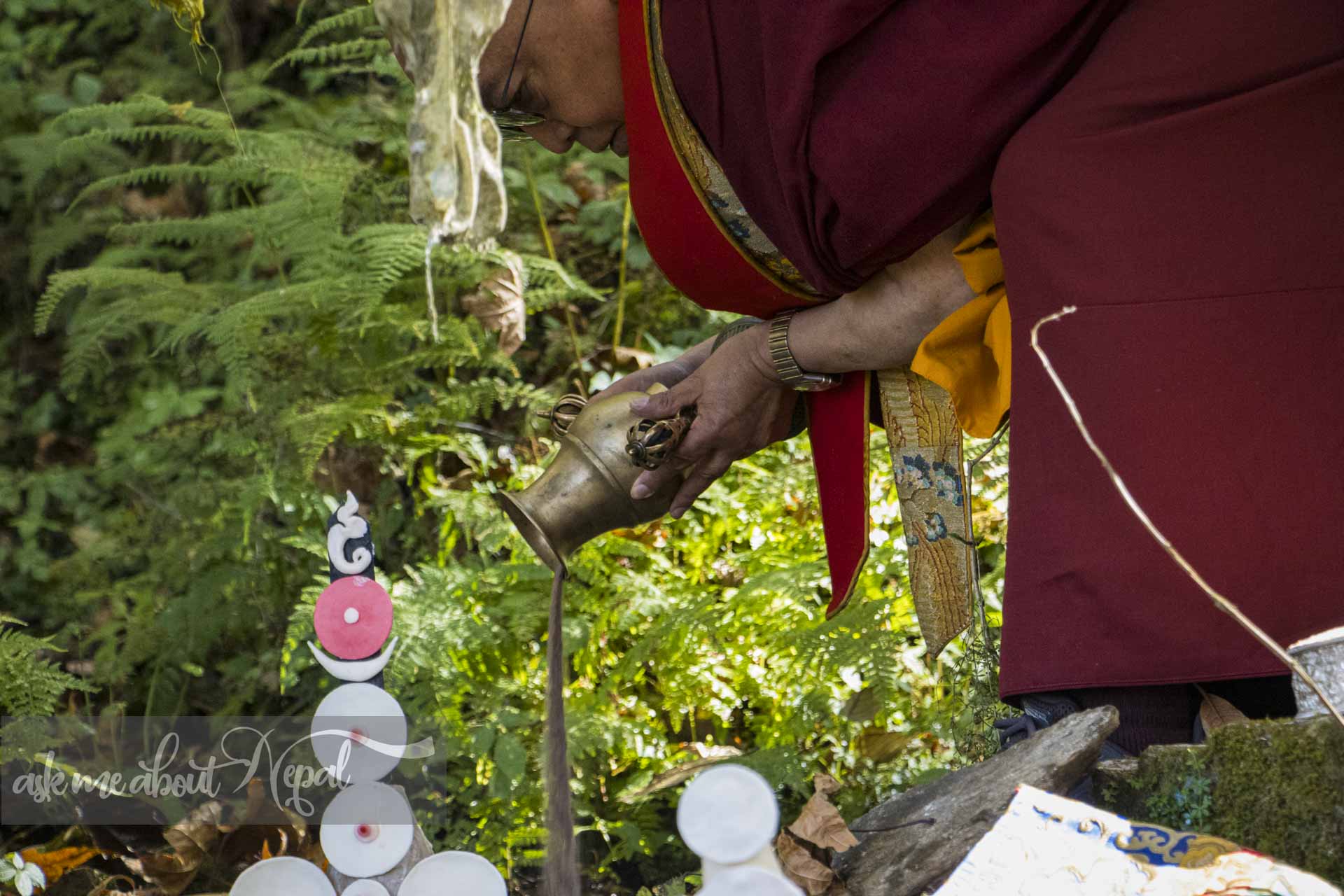
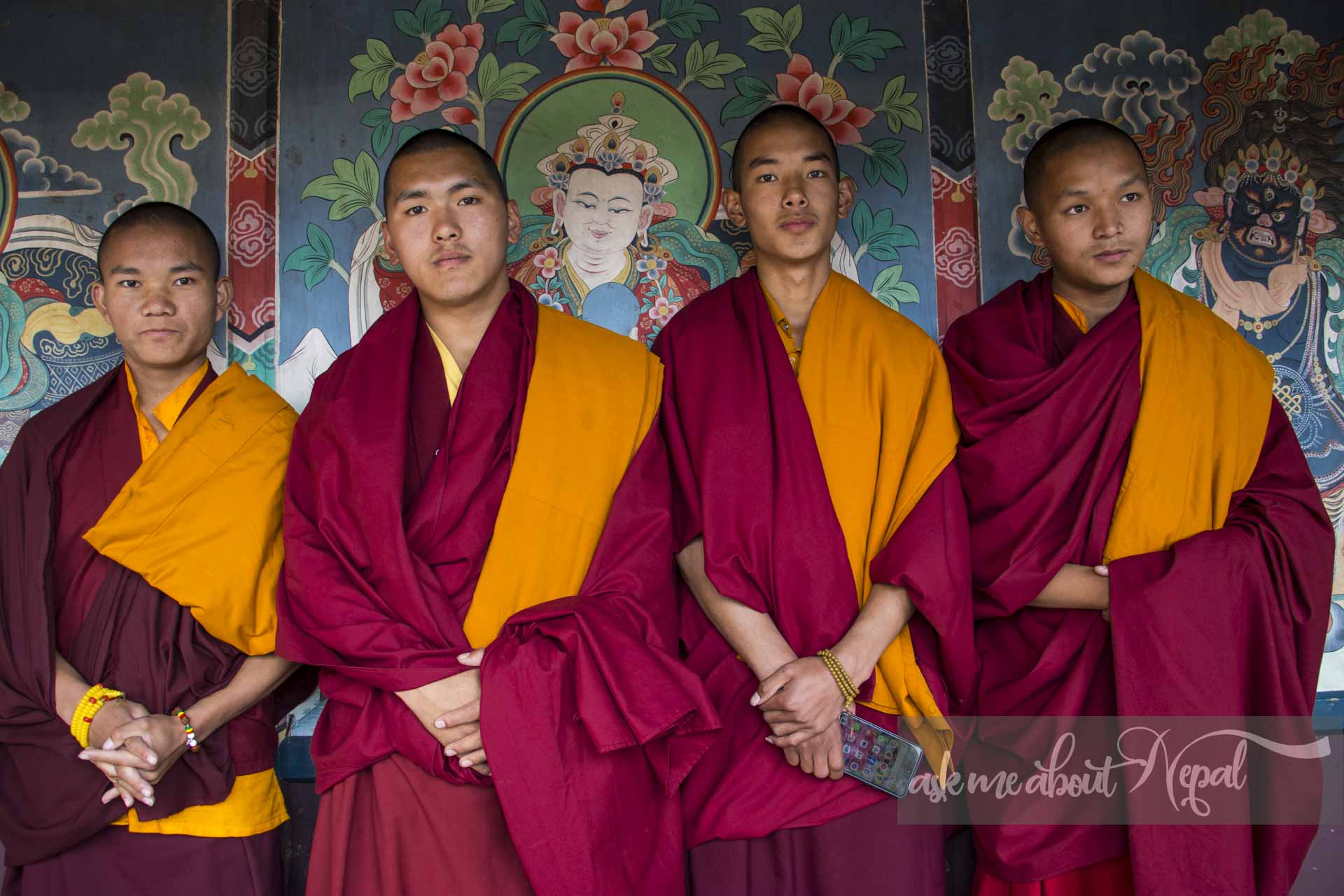
Sang Sang Rinpoche conducting rituals of Mani Rimdu Festival, Chiwong Monastery, Solu, Nepal.Statue of Sangey Tenpa Lama, the founder of Chiwong Monastery which was built in 1923 AD. Solu, NepalRituals of Mani Rimdu Festival, Chiwong Monastery, Solu, Nepal.Various kinds of Torma offering during Mani Rimdu Festival, Chiwong Monastery, Solu, Nepal.Sang Sang Rinpoche presides the Empowerment ceremony (Wong) at Mani Rimdu Festival, Chiwong Monastery, SoluWong, the Empowerment ceremony is the opening public ceremony at Mani Rimdu Festival in Chiwong. Itâs performed on the full moon day, of the tenth month in the Tibetan lunar calendar. His Holiness Sang Sang Rinpoche, gives the empowerment on this auspicious occasion; for long life, happiness and prosperity. The sacred Mani Rilwu (sacred pills) and Tshereel (pills for long life), are given to everyone attending. Solu.Sang Sang Rinpoche presides the Empowerment ceremony (Wong) at Mani Rimdu Festival, Chiwong Monastery, SoluWong, the Empowerment ceremony is the opening public ceremony at Mani Rimdu Festival in Chiwong. Itâs performed on the full moon day, of the tenth month in the Tibetan lunar calendar. His Holiness Sang Sang Rinpoche, gives the empowerment on this auspicious occasion; for long life, happiness and prosperity. The sacred Mani Rilwu (sacred pills) and Tshereel (pills for long life), are given to everyone attending. Solu.The festival attendants receive the Mani Rilwu (sacred pills) and Tshereel (pills for long life) from the head monks of Chiwong Monastery after receiving blessings from Sang Sang Rinpoche during the Wong ritual of Mani Rimdu Festival. Solu.The festival attendants receive the Mani Rilwu (sacred pills) and Tshereel (pills for long life) from the head monks of Chiwong Monastery after receiving blessings from Sang Sang Rinpoche during the Wong ritual of Mani Rimdu Festival. Solu.Monks perform Cham dance called Rol Cham at Mani Rimdu Festival, Chiwong Monastery, Solu, Nepal.The six dancers represent Ngag-pa (Tantric magicians) of the first Cham dance is called Ser-Kyem. They make offerings of alcohol from silver chalices, and small tormas, to the Lama, Yidam, Khandro, and Shi-Dak (Earth deities). A Buddhist practitioner takes ârefugeâ in the Lama (spiritual guide), Yidam (personal deity) and Khandro (wisdom dakini). A central theme in Tibetan Buddhist practice, is to make offerings to these beings, so that they will help with the virtuous actions that lead to Buddhahood. Mani Rimdu Festival, Chiwong Monastery, SoluThe six dancers represent Ngag-pa (Tantric magicians) of the first Cham dance is called Ser-Kyem. They make offerings of alcohol from silver chalices, and small tormas, to the Lama, Yidam, Khandro, and Shi-Dak (Earth deities). A Buddhist practitioner takes ârefugeâ in the Lama (spiritual guide), Yidam (personal deity) and Khandro (wisdom dakini). A central theme in Tibetan Buddhist practice, is to make offerings to these beings, so that they will help with the virtuous actions that lead to Buddhahood. Mani Rimdu Festival, Chiwong Monastery, SoluThe four dancers, Ghing, are servants of Guru Rinpoche (Padmasambhava), connected with his emanation as Dorje Trollo. They have come from his Pure Land of Sangdok Palri, where they live within his mandala. They herald the imminent arrival of Guru Rinpoche at the Mani Rimdu. Two of the Ghing are male, and carry cymbals, while the two females carry drums. The male represents skilful means and the females represent wisdom; these two aspects of the path to enlightenment are at the heart of Vajrayana (Tantric) practice. The union of skilful means or compassion, and wisdom is often depicted, and frequently misunderstood, in Tantric iconography.The four dancers, Ghing, are servants of Guru Rinpoche (Padmasambhava), connected with his emanation as Dorje Trollo. They have come from his Pure Land of Sangdok Palri, where they live within his mandala. They herald the imminent arrival of Guru Rinpoche at the Mani Rimdu. Two of the Ghing are male, and carry cymbals, while the two females carry drums. The male represents skilful means and the females represent wisdom; these two aspects of the path to enlightenment are at the heart of Vajrayana (Tantric) practice. The union of skilful means or compassion, and wisdom is often depicted, and frequently misunderstood, in Tantric iconography.Guru Rinpoche makes his dramatic appearance in the form of Dorje Trollo, a cham dance at Mani Rimdu Festival, Chiwong Monastery, Solu, Nepal.Guru Rinpoche makes his dramatic appearance in the form of Dorje Trollo, a cham dance at Mani Rimdu Festival, Chiwong Monastery, Solu, Nepal.A one-actor comic interlude, Mi-Tsering, (Long Life Man) is the childrenâs favorite. He is a kind, bumbling, gentle old man. He means well and does his best, but inevitably gets everything wrong. He is, however, convinced that heâs an expert and tries to instruct others in some of the temple rituals, such as offering khataks (silk scarves), or doing prostrations. His, is a light-hearted comic act, yet it brings a poignant message of encouragement to ordinary people â that sincerity and good intentions count for as much as expertise. It is Mi-Tsering who heads the procession of monks welcoming Trulshig Rinpocheâs arrival at Chiwong, and who heralds him into the courtyard to preside over the dances. He is an acknowledgement of everymanâs good intentions, however humble.A one-actor comic interlude, Mi-Tsering, (Long Life Man) is the childrenâs favorite. He is a kind, bumbling, gentle old man. He means well and does his best, but inevitably gets everything wrong. He is, however, convinced that heâs an expert and tries to instruct others in some of the temple rituals, such as offering khataks (silk scarves), or doing prostrations. His, is a light-hearted comic act, yet it brings a poignant message of encouragement to ordinary people â that sincerity and good intentions count for as much as expertise. It is Mi-Tsering who heads the procession of monks welcoming Trulshig Rinpocheâs arrival at Chiwong, and who heralds him into the courtyard to preside over the dances. He is an acknowledgement of everymanâs good intentions, however humble.Sang Sang Rinpoche’s arrival at Chiwong to witness cham dance during Mani Rimdu Festival, Chiwong Monastery, SoluThur-Dhag, the Dance of Liberation, is the central act of the sacred dance. The two skeleton figures are the Lords of the Universal Cemetery â reminders of the transient nature of human existence. Two Ngag-pas enter and perform a mystical invocation, luring all demons and negative energies, then trap them into a small dough figure. At the same time, Trulshig Rinpoche performs a wrathful fire puja â calling the demons in, with long strokes of a nine-pronged dorje with black pennant. The demons are trapped, and ceremonially burned on a small pyre, as an offering to the gods, who are then asked to liberate the world. With symbolic strokes of his phurba, Rinpoche, out of compassion even for demons, sends them to the realm of wisdom. The demons of hatred, greed, and ignorance are dead. The Lords of the Cemetery carry the corpse to the Gods of the Mandala. The ashes from the pyre are buried under a flagstone in the courtyard.Thur-Dhag, the Dance of Liberation, is the central act of the sacred dance. The two skeleton figures are the Lords of the Universal Cemetery â reminders of the transient nature of human existence. Two Ngag-pas enter and perform a mystical invocation, luring all demons and negative energies, then trap them into a small dough figure. At the same time, Trulshig Rinpoche performs a wrathful fire puja â calling the demons in, with long strokes of a nine-pronged dorje with black pennant. The demons are trapped, and ceremonially burned on a small pyre, as an offering to the gods, who are then asked to liberate the world. With symbolic strokes of his phurba, Rinpoche, out of compassion even for demons, sends them to the realm of wisdom. The demons of hatred, greed, and ignorance are dead. The Lords of the Cemetery carry the corpse to the Gods of the Mandala. The ashes from the pyre are buried under a flagstone in the courtyard.Sang Sang Rinpoche performs a wrathful fire puja during Thur-dhag cham dance at Mani Rimdu Festival, Chiwong Monastery, Solu, Nepal.Sang Sang Rinpoche invokes the Great Protectors asking them to perform the activities of a Buddha. Mahakala is blue, Ekajati has one eye, Mahadeva (Shiva) is red, and Trudo Lhamao (the Cemetery Deity) is brown. Chiwong Monastery in Solu.Sang Sang Rinpoche invokes the Great Protectors asking them to perform the activities of a Buddha. Mahakala is blue, Ekajati has one eye, Mahadeva (Shiva) is red, and Trudo Lhamao (the Cemetery Deity) is brown. Chiwong Monastery in Solu.The two black men are servants of, Shalung Genyen Chenpo, the protector deity of Dza-Rong-Phu monastery. Shalung Genyen Chenpo, was originally fierce and a murderer, but is later reformed and becomes a protector of the Dharma.The two black men are servants of, Shalung Genyen Chenpo, the protector deity of Dza-Rong-Phu monastery. Shalung Genyen Chenpo, was originally fierce and a murderer, but is later reformed and becomes a protector of the Dharma.Five Wisdom Dakinis enter and make offerings of tsog, song, and dance to Sang Sang Rinpoche. These Wisdom Dakiniâs are the active part of the Lama, Yidam, and Khandro.Five Wisdom Dakinis enter and make offerings of tsog, song, and dance to Sang Sang Rinpoche. These Wisdom Dakiniâs are the active part of the Lama, Yidam, and Khandro.The Fire Puja is performed in the courtyard the day after the Cham dances, the third day of the Mani Rimdu Festival. The Fire Puja is an offering to Agni (the god of fire), and to the Gods of the mandala - to allay all harm in the world. The harm is visualized as dissolving into the grain and butter is burned.The Fire Puja is performed in the courtyard the day after the Cham dances, the third day of the Mani Rimdu Festival. The Fire Puja is an offering to Agni (the god of fire), and to the Gods of the mandala - to allay all harm in the world. The harm is visualized as dissolving into the grain and butter is burned.The Sand Mandala of the Mani Rimdu Festival. Chiwang Monastery, Solu Khumbu, Nepal.Sang Sang Rimpoche uses the dorje, a sacred ritual object to make the first decisive cut into the Sand Mandala on the last day of the Mani Rimdu Festival. Chiwang Monastery, Solu Khumbu, Nepal.Chiwong monks transforming the Sand Mandala on the last day of Mani rimdu Festival and collecting the sand in a vessel. Chiwang Monastery, Solu Khumbu, Nepal.Sang Sang Rimpoche conducts puja at spring below Chiwong Monastery before casting the sand of Mandala into a spring as offering to Serpent God (Nagas.) Solu Khumbu, Nepal.Sang Sang Rimpoche pours the Sand Mandala into the forest spring, sending the potenized energy to the villagers below. Solu Khumbu, Nepal.Final rituals of Mani Rimdu Festival at Chiwong Monastery, Solu, Nepal.Young and old Monks with Sang Sang Rinpoche at Chiwong Monastery, Solu, Nepal.Monks of Chiwong Monastery, Solu, Nepal.Entrance chorten to Chiwong Monastery built by Sangey Lama, the founder of the Monastery. Solu, Nepal.
A ritual of shaving head, reciting mantras, showering flower and lava, putting tika, dhup batti. Time came for boys to get rid of their clothes and put on pitambar langots.
Ask Me About Nepal (AMAN) is your go-to digital platform for authentic, well-researched insights into Nepal’s people, places, culture, and hidden gems. From adventure to history, food to folklore—explore Nepal like never before!