June 28, 2026

I have had this draft open on my laptop since April. I am not kidding. Every night I would come home from work sit down look at the cursor blinking at me and close the tab. I kept telling myself that I would write about Kapuche Glacier Lake tomorrow.
You can probably guess how that went. Tomorrow turned into May. May turned into June. The cursor just kept blinking
Here is the thing that nobody tells you about having a 9-to-6 job. It does not break you or anything. It is just really steady. It slowly eats away at your hours one meeting at a time. The things you actually care about like my blog just have to wait. The mountains have to wait. The version of me that only comes out when I am high above the trees has to wait well. None of these things go away. They just stand in line behind my work. Learn to be patient.
Then April came along. Pulled me out of all that.
My best friend. I packed our bags and headed to Kapuche Glacier Lake, which is the lowest glacier lake in the world. It is tucked away in the mountains like something that was forgotten on purpose. We have gone trekking before. It is the kind of friendship where we can walk for an hour without saying a word. It is not awkward at all. I thought this trip would be another adventure for us.
So finally, here is my story about Kapuche Glacier Lake.
We left Kathmandu at 6:45 PM on a night bus. The ticket said it was a "VIP sofa" seat, and it cost us 1,600 rupees. I have sat on a sofa before. This was not it. You do not take the night bus for comfort. You take it because the road to Pokhara is full of bumps. So we settled in. Made peace with it. For the twelve hours, we were somewhere between asleep and gently flying. We reached Pokhara at 5:20 AM, a little shaken but alive.
The tourist bus park was already busy even though the sun was not up yet. Backpackers were rubbing their eyes, drivers shouting out destinations, and the smell of tea filled everything. We found a shop for breakfast, and the trip finally started to feel real.
After that, we took a taxi to Kahukhola, which cost 650 rupees. Then we took a Scorpio jeep to Sikles, which cost 500 rupees per person. The jeep did not move until seven people were in it. So we watched the villagers wander up with their bags and morning chatter. When the seventh person finally climbed in, the engine started up.
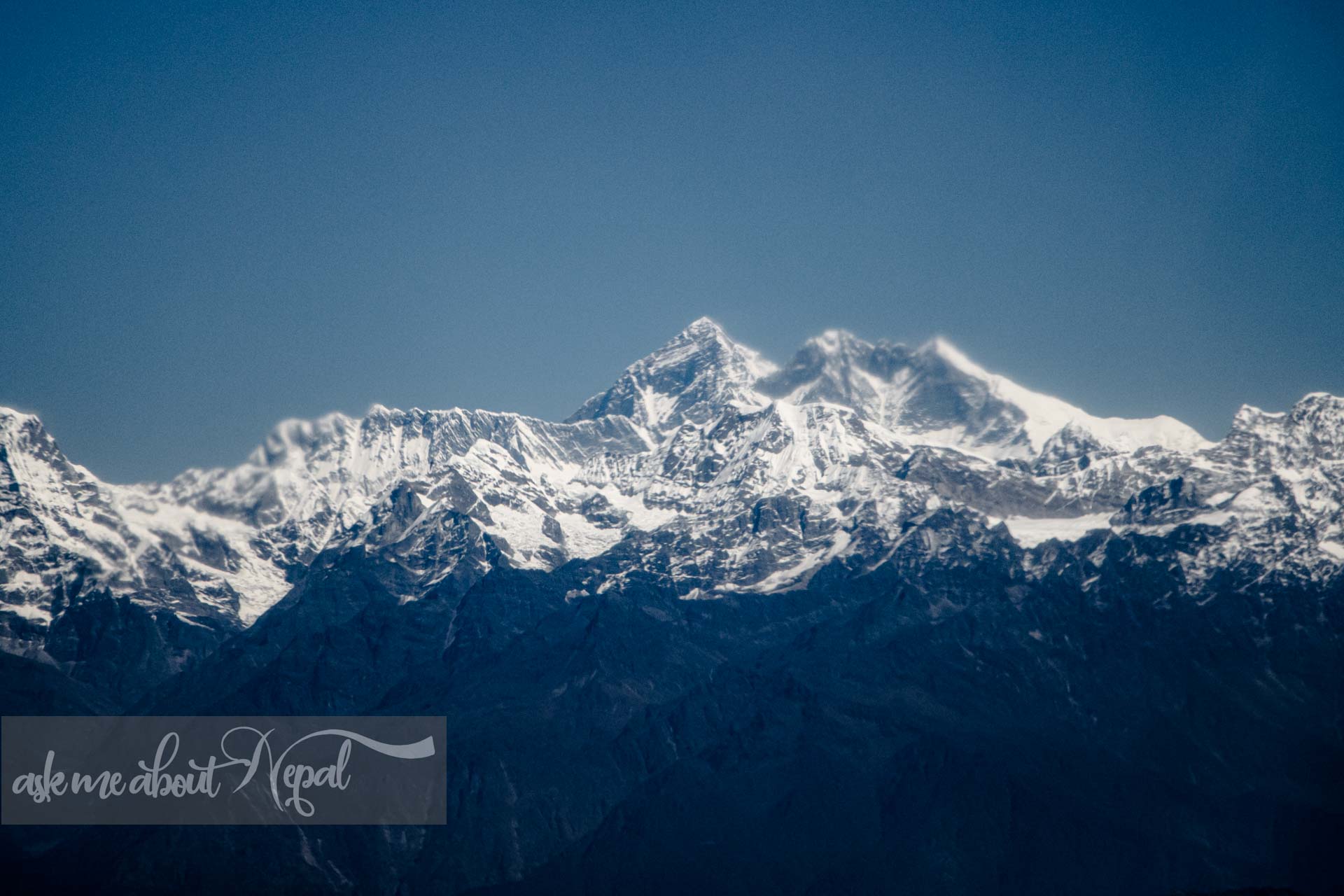
The ride took three hours, and it was not even a road. It was like a suggestion of where a road could be. We stopped caring because the whole way was wrapped in mountains. Every turn opened up another wall of peaks close enough that we kept pressing our faces against the window like kids. The jeep pulled over for a tea break. It was not a stop; it was a small ritual. We stood around, stared at the skyline, and just enjoyed the moment.
Then, before Sikles, the mountains showed off. We saw the Padukhola suspension bridge, one of the longest and highest in Nepal. We got out. Walked across it on foot while the jeep took the long way around to pick us up on the other side. We took many photos and let the valley drop away under our feet. The river was a faint whisper far below. There is a kind of joy in walking across a swaying bridge with your best friend, laughing like kids and trying not to admit you are a little scared.
 |  |
 |  |
Half an hour later, we arrived in Sikles. It is a place with the whole mountain range spread out in front of it. The view is something you would pay a fortune for else but here it comes free with the morning. We checked into the Namaste Guest House around 11:30 AM. The plan was to rest because the bus had tired us out, and the real walking did not start until the next day. So we freshened up, flopped down for a while, and let the village move slowly around us.
Dinner was at 7. We had dal bhat tarkari, of course. The night had a surprise for us. A group of women from Chitwan had come to see Sikles. They built a bonfire and started dancing. We did not think about it for a second, and we just joined in. Dancing around a fire with strangers in a mountain village, where the only language you need is rhythm and laughter, is a reminder of why you leave home in the first place and travel to places just to go back home full of stories.
By 9:00 PM we were out cold. The trek started in the morning. Kapuche Glacier Lake was waiting for us somewhere up there.
The plan was to start, but it did not work out that way. Breakfast was supposed to come at 7:30. The hotel was packed, and the kitchen was running behind. We finally left Sikles around 9, which was later than we wanted. You cannot walk up a mountain on an empty stomach.
Walking out of the village felt nice. Everyone we passed said "Namaste" to us. It was easy and warm. A few people told us we would reach Hugu, our destination, in four and a half hours. The signboards along the trail said the thing. We trusted the boards. Went with the flow. Remember this part because it is where everything goes wrong.
The big mountains showed up away, standing tall over the trail like they had been expecting us. Two hours in, we reached a place called Edi Khola. We sat down, had some tea and biscuits, and watched the waterfall. The board said Hugu was two and a half hours away, which is nothing for trekkers. So we relaxed for an hour. Just enjoyed the moment.
Then we started walking. This is where the trail started messing with us for the first time.
The forest got really thick. We walked for two and a half hours just like the board promised. Hugu was nowhere to be found. Not close, not ahead, just gone. We found an empty hut, sat down, ate our chocolates and protein bars, and kept going. By now, it was just the two of us and a lot of trees. Then two foreigners came from the direction and told us it was still three and a half hours to Hugu.
Three and a half more hours.
The funny thing is, they were right. Locals on a trail are never right about the time, as they walk faster than us. This time, these foreigners were. The boards are usually right. Not today. So we laughed, the laugh you do when you realize you have been walking into a lie for hours, and we kept going.
Two hours passed, and still no Hugu. By now, we were sure the trail was playing a joke on us. Hugu was not even real. We kept walking because what else can you do?. Then, right on time, with about 45 minutes left, the sky opened up, and it started raining. The trail got fast. We put on our raincoats, kept our heads down, and pushed through. Then, finally, after all the walking and all the lies, Hugu showed up. We checked in like two happy idiots.
Hugu is really remote with no electricity or anything. Sitting there, soaking wet, knowing we had to come down this slippery trail the next day, our mood dipped a little. The trail had scared us in some spots. The rain was not helping.
There were two foreigners at the hotel. They were saying the same things we were thinking. At least we were not alone.
Then the whole night turned around.
 |  |
 |  |
We met two couples, and the moment we started talking, it just clicked. In a minute, they felt less like strangers and more like our own elder brothers and sisters. It was basically a family trip for them. Ranju didi and Sudip dai were married, and Binita didi and Anup dai were married. Binita didi and Ranju didi were real sisters. So the whole group was family out, in the mountains together. It was really sweet.
Then they told us the news of the day. They heard someone talking about heading back down the day on a tractor, and we could plan it. My best friend was really happy. The scary, slippery walk down that we had been dreading suddenly had a fix, and it came with company.
Thul dai, the hotel owner, lit the fire in the goth (cowshed) for us. We sat around it for hours just talking and laughing with the lovely couples. After a day of empty forest, one very dishonest signboard, and rain at the end, that fire and those people were exactly what we needed. We went to sleep hoping the weather would clear up by morning.
We hit the trail at 7 AM after breakfast. What a difference a morning makes. The trail got better, the mountains were around us, the forest was thick and green, and we just kept moving. No lying signboards this time. Good walking.
At 8:30 AM, we reached Kapuche. Honestly, I do not know how to describe Kapuche.
You walk out of the trees. Suddenly, there it is. Kapuche, the glacier lake in Nepal, sits quietly at the bottom of these huge mountains, as if it has been waiting there forever. The water is that torquoish-green color you only get from glaciers, calm and still with the peaks standing right above Kapuche. It is so quiet you can almost hear your heartbeat. After two days of sweating, doubting, getting rained on, and being lied to by a signboard standing in front of Kapuche made every single bit of it worth it. I just stood there for a moment. No photos, no talking, nothing. I just looked at Kapuche. Let it sink in.
Then, of course, we snapped out of it. Took a lot of pictures. We laughed, we soaked it all in, we did the thing. We had tea at the Kapuche hotel, sitting with that view, and it might be the best tea I have ever had, mostly because of where we were drinking it.
Then we made our way all the way down and had lunch at the same hotel we had stayed in. Thul Dai called the tractor for us, like the plan. We walked 45 minutes downhill to the riverside where the tractor was waiting, and yes, it was raining again because, of course, it was.
Then came the real adventure of the whole trip.
 |  |
 |  |
The tractor ride was three hours, going through the river on a rough and honestly kind of dangerous trail back toward Sikles. I am just going to say it. The tractor ride was more thrilling than the trek to Kapuche. We bounced over the place, holding on, laughing, the river right there beside us. Having Dai and Didi along made it ten times more fun. What could have been scary turned into a part of the day. Really grateful to have met such an amazing couple on the trail and then to exchange memories and contacts on the way back.
We reached Sikles on that tractor road and then hired a jeep. It was 4:20 PM by the time we got there. We waved goodbye to Sikles village from the jeep. Headed off to Pokhara.
This was easily one of the trips my best friend and I have ever done. Somehow, it was also one of the funniest and most memorable. I am always grateful to the mountains and to adventures like this, for all the stories they hand me. Some trips you forget in a month. This one I will be telling for year cause it was the shortest and funniest all at once.
 |  |
Pratigya Sedhai is a dedicated QA Engineer with a keen eye for detail and a commitment to ensuring flawless digital experiences. Beyond her expertise in software testing, she is a passionate writer, traveler, and explorer who finds joy in storytelling and discovering new perspectives. Whether she's crafting insightful articles, embarking on new adventures, or diving into the intricacies of quality assurance, Pratigya thrives on curiosity and continuous learning. Her ability to blend analytical thinking with creativity makes her a dynamic professional and an enthusiastic seeker of knowledge and experiences.
Once you reach the highland of Tanchowk, you will breathe one of the most soothing airs in the world, with different plantations around you.
Sun Aug 09 2026
It was the prettiest house in Gorkha that was perched on a hill and served the most magnificent views of all the soaring peaks of Annapurna, Manaslu and Ganesh Himal.
Sun Aug 09 2026
Many indigenous peoples worldwide have inked tattoos for aesthetic and therapeutic reasons that respect their culture and traditions.
Sun Aug 09 2026
The Seto Machhindranath Temple in Kathmandu is a vibrant symbol of Nepal’s Hindu-Buddhist harmony. This article explores the legend of the rain god, the lively Jana Baha Dyah Jatra chariot festival, and the sacred Mahasnana ritual, celebrating Newari artistry and community spirit.
Sun Aug 09 2026
Oct 13, 2022
Jul 18, 2023
Sep 20, 2023
Jun 2, 2022


Ask Me About Nepal (AMAN) is your go-to digital platform for authentic, well-researched insights into Nepal’s people, places, culture, and hidden gems. From adventure to history, food to folklore—explore Nepal like never before!


Help us document the beauty and stories of Nepal. Your donation powers AMAN's journey.

Get captivating travel stories, hidden gems, and cultural insights from Nepal delivered to your inbox every month!
Want to Become a Contributor? Click Here
© 2025 Ask Me About Nepal. All Rights Reserved.