August 24, 2023

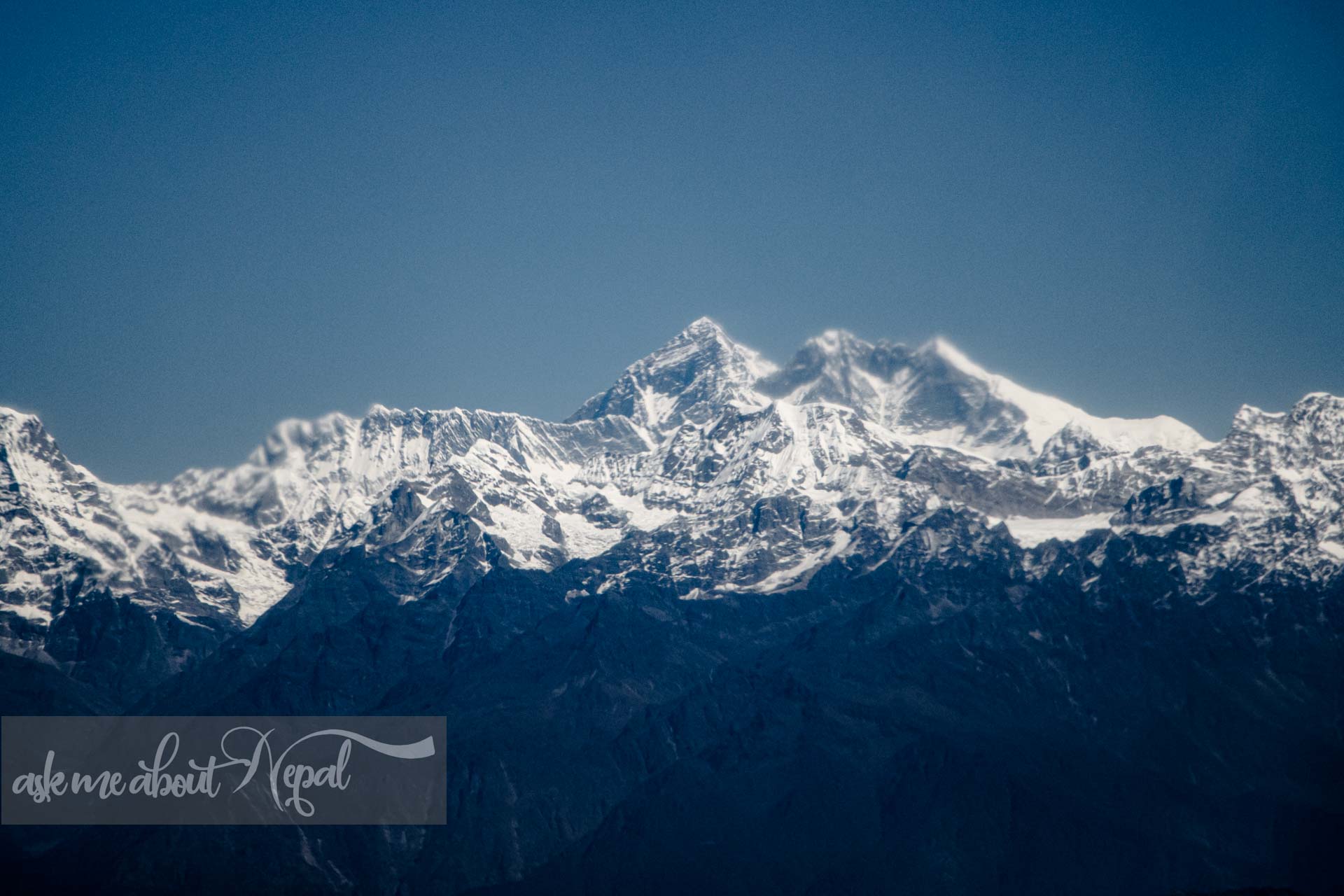
Swayambhu Mahachaitya. Photo by Nikki Thapa
Gunla Dharma (गुँला धर्म)
Gunla or Gumlā is the tenth month of the Newar Calendar, the Nepal Sambat calendar, and the holiest month of all for the Newa Buddhists of Kathmandu Valley. This month usually corresponds to August on the Gregorian calendar. Gunla is the sacred month to Lord Buddha. According to the Nepal Sambat Calendar, Gunla Dharma, the path of righteousness starts on Gunlaathwo Paaru (गुँलाथ्व पारु), the first day of Gunla, and ends on Yanlaathwo Paaru (ञलाथ्व पारु), the first day of the eleventh month, Yanlaa. Similarly, according to the Bikram Sambat Calendar, the festival starts on Shrawan Shukla Pratipada and lasts until Bhadra Shukla Pratipada. During these auspicious thirty days, the Newa Buddhists (Buddhist Newars) observe fast, penance, recite their scriptures, and parade to religious spots playing devotional music. The devotional music is called Dha: Baja. The abovementioned religious activities performed during this month are collectively called Gunla Dharma and the occasion is called Gunla Parba. Devotees from 32 different communities of the valley parade mainly in groups to the pilgrimage sites like Swayambhunath Stupa, Seto Macchendrantha Temple, and various Bahals, the Newar temple courtyards. Everyday. And it climaxes with a huge feast and merrymaking on the 30th day.

Newar women, on each day of Gunla mold tiny clay votive images, which are ‘given life’ by inserting a grain of unpolished rice into it. On Dyah Thāyegu (द्यः थायेगु), the last day of Holy Month the families and related caste groups make processions to the sacred river to dump these tiny idols into the water. Where, women dressed in their finest carry burning incense, all chant hymns, and are escorted by the Dha: Baja musicians. They dump votive images in a heap at the riverbank, the procession then circumambulates the heap three times as a vital part of ceremonies. With the completion of the rituals, the idols are immersed in the sacred waters.

Panjaran or Panchadaan (पन्जराँ / पञ्चदान) is the offering of five staple grain—unhusked and polished rice, lentil seeds, wheat, and salt to the begging monks. This day of charity and benevolence falls on the eighth day of the bright fortnight of the month in Patan and the 13th day of the dark fortnight in Bhaktapur, Kathmandu, Thimi, Banepa and Kirtipur. In Patan, Women with large baskets of five offerings offer monks who pass by begging alms with a handful of Panchadaan. In return, these monks touch those donors’ heads with sacred books to bestow blessings upon them.
In Bhaktapur, On Bhadra Krishna Trayodashi day, the “Five Dipankar Buddhas” enthroning Prashanshill Mahavihar, Jhorbahl, Chatubramha Mahavihar, Jayakriti Vihar and Kuthubhi come together at Adipadma Maha Vihar in Suryamadhi Tole of Bhaktapur for a special puja to commemorate the “Pancha Daan” ritual during the holy Newar Month Gunla.
The Five Dipankar Buddhas then walk through all the 10 wards of Bhaktapur giving an audience to the devotees who in reverence offer “Pancha Daan” to the Buddhas. The traditional musical ensembles like Gunla Baja, Dafa Bhajan, Shringabheri Baja, etc accompany Dipankars on their Yatra which boisterously ends at Taumadhi Square. The Puja and Panchadaan go until late in the evening.
On this day Prince Siddhartha left his royal life behind to commence his ascetic life, after which he gained enlightenment and was called the Buddha. It is the day to honor the Buddhist priestly caste in remembrance of the time when they lived solely and honorable from the alms of their devotees.
According to a legend, Pancha Daan ritual began when Dipankara arrived in Patan as a mendicant and graciously accepted alms from a couple living in Guit Bihar and refused the mega-donations from the Patan King. To please the mendicant the King then laboriously worked as a goldsmith, earned his wage, and offered it to Dipankar which he accepted with much gratitude. Since then this act of selfless giving came into practice in honor of Dipankar.

Bahi Dya Bwayegu (बहि द्यः ब्वेगु), the display of the gods in the viharas. It commences three days before the full moon and may continue for several days. During Bahi Dya Bwayegu, especially in Kathmandu and Patan, Paubhā (religious cloth paintings) and Dipankara Buddha are exhibited to the public, often behind wooden lattice screens in the courtyard porches. These religious relics reveal the artistry of ancient craftsmanship.
Chaa Chwo Wanegu literally means to stay overnight in the Newar language. On this day, the Newa Buddhists of Patan carry lighted lamps and candles to honour their dead. They make a day-long pilgrimage through the prescribed ancient routes of Patan to Swayambhunath Stupa, making offerings to each holy place all along. They sing the praises in the names of their dead while clashing cymbals and thumping drums. They stay overnight at the Swayambhunath hill. It is believed that one can see replica of Swayambhunath stupa in the sky in a cloud form and this cloud formation is called " Ratnamanda: Darshan" (रत्नमन्दः दर्शन ) On the day following, those celebrating, gather at the Swayambhunath hill, literally covering every level of the hillside and indulge in an all-day picnic as the final celebration of the Buddhist faithful. This day also commemorates Buddha’s victory over the evil Mara who tried an unsuccessful attempt to tempt Lord Buddha from his meditations.

The main musical instrument played during Gunla are
But these days every Newar communities play various traditional musical instrument. In short, Gunla Dharma is an important and interesting Newar tradition since time immemorial and is still celebrated by every generation as a boisterous festival.


Content Creator and founder or Ask Me About Nepal
A ritual of shaving head, reciting mantras, showering flower and lava, putting tika, dhup batti. Time came for boys to get rid of their clothes and put on pitambar langots.
Sun Aug 09 2026
Mother's day or Mata Tirtha falls on the last day of the dark fortnight of April and is also the first festival of Nepali New Year.
Sun Aug 09 2026
Once virtually non-existent, Christianity has now become a vibrant and growing part of the country’s diverse religious landscape.
Sun Aug 09 2026
Hiranya Varna Mahabihara, also known as the Golden Temple, is a prominent Buddhist monastery located in Patan, Nepal.
Sun Aug 09 2026
Oct 13, 2022
Jul 18, 2023
Sep 20, 2023
Jun 2, 2022


Ask Me About Nepal (AMAN) is your go-to digital platform for authentic, well-researched insights into Nepal’s people, places, culture, and hidden gems. From adventure to history, food to folklore—explore Nepal like never before!


Help us document the beauty and stories of Nepal. Your donation powers AMAN's journey.

Get captivating travel stories, hidden gems, and cultural insights from Nepal delivered to your inbox every month!
Want to Become a Contributor? Click Here
© 2025 Ask Me About Nepal. All Rights Reserved.